
Dental question about observed-topic:3d3d69178
A dental concern should be described by its location, timing, triggers, visible changes, and associated symptoms so its cause can be assessed.
The short answer
The most useful way to assess an unfamiliar dental concern is to describe where it occurs, when it began, what triggers it, and whether swelling, bleeding, or sensitivity is present.
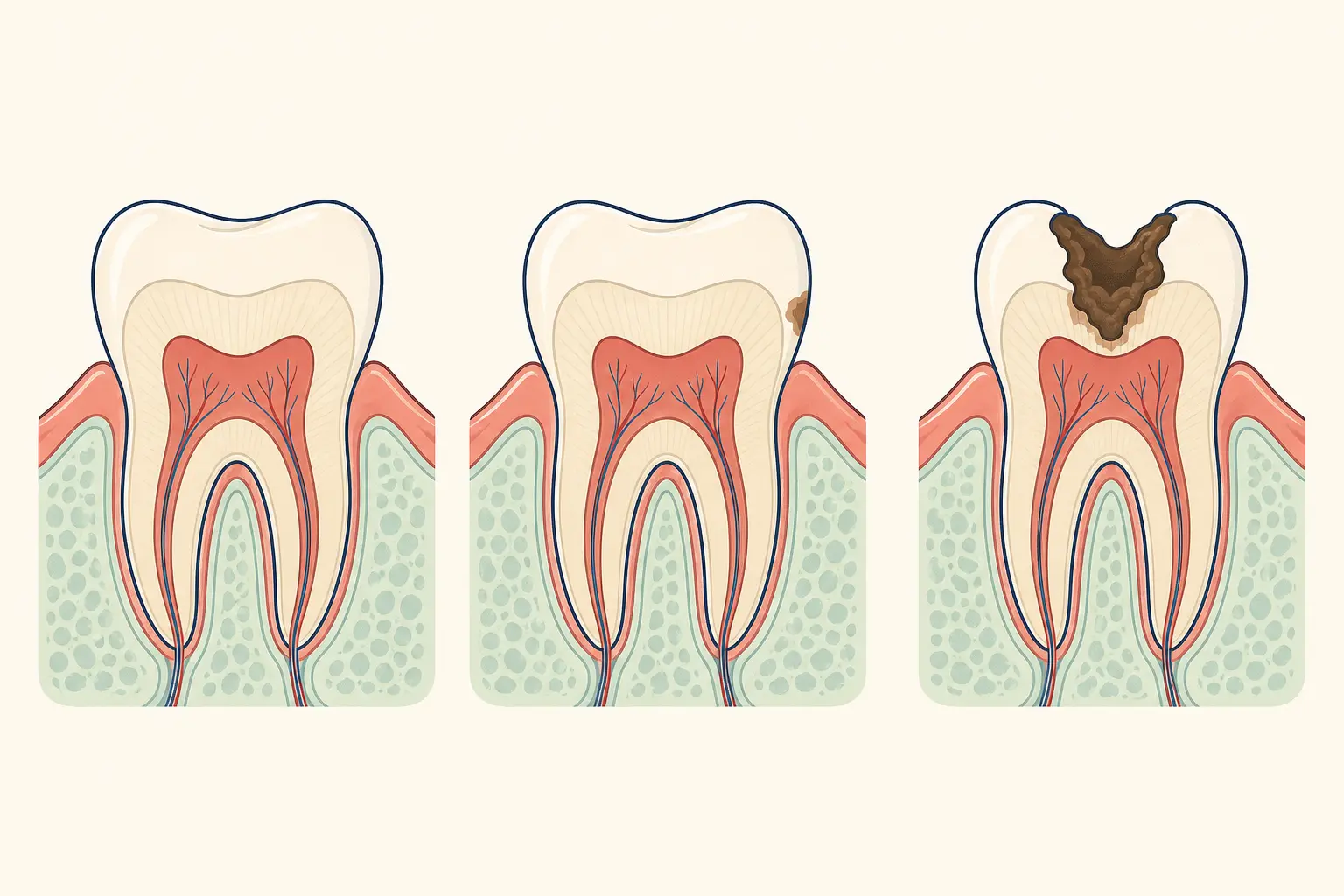
What is the direct answer?
What does this question mean?
Dental symptoms can come from teeth, pulp, gums, bone, jaw joints, muscles, or nearby sinus tissues. A precise history helps the dentist choose a focused examination instead of treating only the most visible change.
What can you do next?
The clinical assessment may include inspection, periodontal probing, tooth vitality tests, percussion, bite tests, jaw movement checks, and radiographs. The findings determine whether the next step is preventive care, a restoration, endodontic care, gum treatment, or urgent management.
When should you seek dental care?
Seek prompt dental care for persistent pain, swelling, bleeding, a loose or broken tooth, facial injury, or a new lesion that does not heal. Emergency services are appropriate for breathing or swallowing difficulty or rapidly spreading facial swelling.
What should you ask the dentist?
Ask what structures were examined and which findings explain the symptom. Ask what tests are needed, what can be done today, which changes should be monitored, and which warning signs require urgent return.
Frequently asked questions
Can a photograph diagnose a dental problem?
A photograph can show a visible change, but it cannot test the pulp, bite, periodontal pocket, or tissues beneath the gum.
What information should I bring?
Bring the onset, pain pattern, triggers, recent treatment, injury history, medicines, and any change in swelling or fever.