
Dental question about observed-topic:dab29829f
Dental concerns are assessed by symptoms, tooth anatomy, gum health, habits, and examination findings before treatment is chosen.
The short answer
A dental concern is best understood by identifying the affected tooth or oral tissue, its symptoms, possible causes, and the findings from an examination.
What is the direct answer?
What does this question mean?
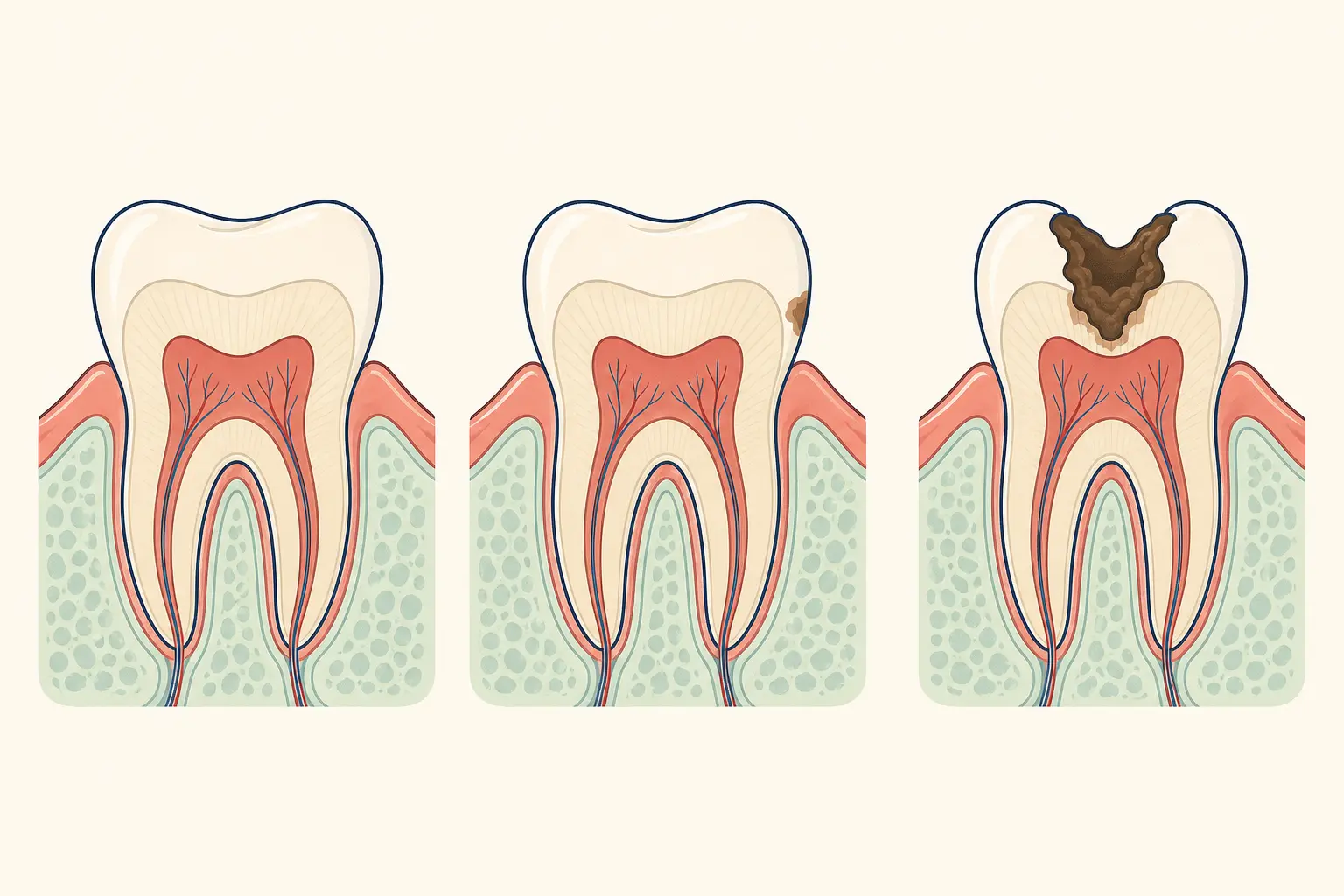
Teeth, pulp, gums, jaw joints, bone, and oral lining can produce overlapping symptoms such as pain, sensitivity, swelling, bleeding, or altered sensation. Location, timing, triggers, and visible changes help separate these causes.
What can you do next?
Record when the symptom began, what triggers it, and whether swelling, fever, bleeding, or a damaged filling is present. Keep brushing gently, avoid the trigger, and book an examination for persistent or unexplained symptoms.
When should you seek dental care?
Seek care for persistent pain, swelling, bleeding, a loose tooth, a broken restoration, or a sore that does not heal. Facial swelling with difficulty breathing or swallowing needs urgent medical attention.
What should you ask the dentist?
Ask which structure is affected, what examination or imaging is needed, and which treatments address the cause. Ask what you can monitor and which changes should prompt an earlier review.
Frequently asked questions
Can one symptom have several causes?
Yes. Pain, bleeding, and sensitivity can arise from different teeth or oral tissues.
Why might an X-ray be needed?
It can show roots, bone, hidden decay, or an infection that is not visible on the surface.