
Dental question about observed-topic:7d7aab7e5
Dental concerns are assessed by symptoms, examination, and imaging so treatment can address the specific tooth, gum, or jaw problem.
The short answer
A dental concern is best understood by identifying the affected anatomy, recording the symptoms, examining the mouth, and using dental imaging when the findings require it.
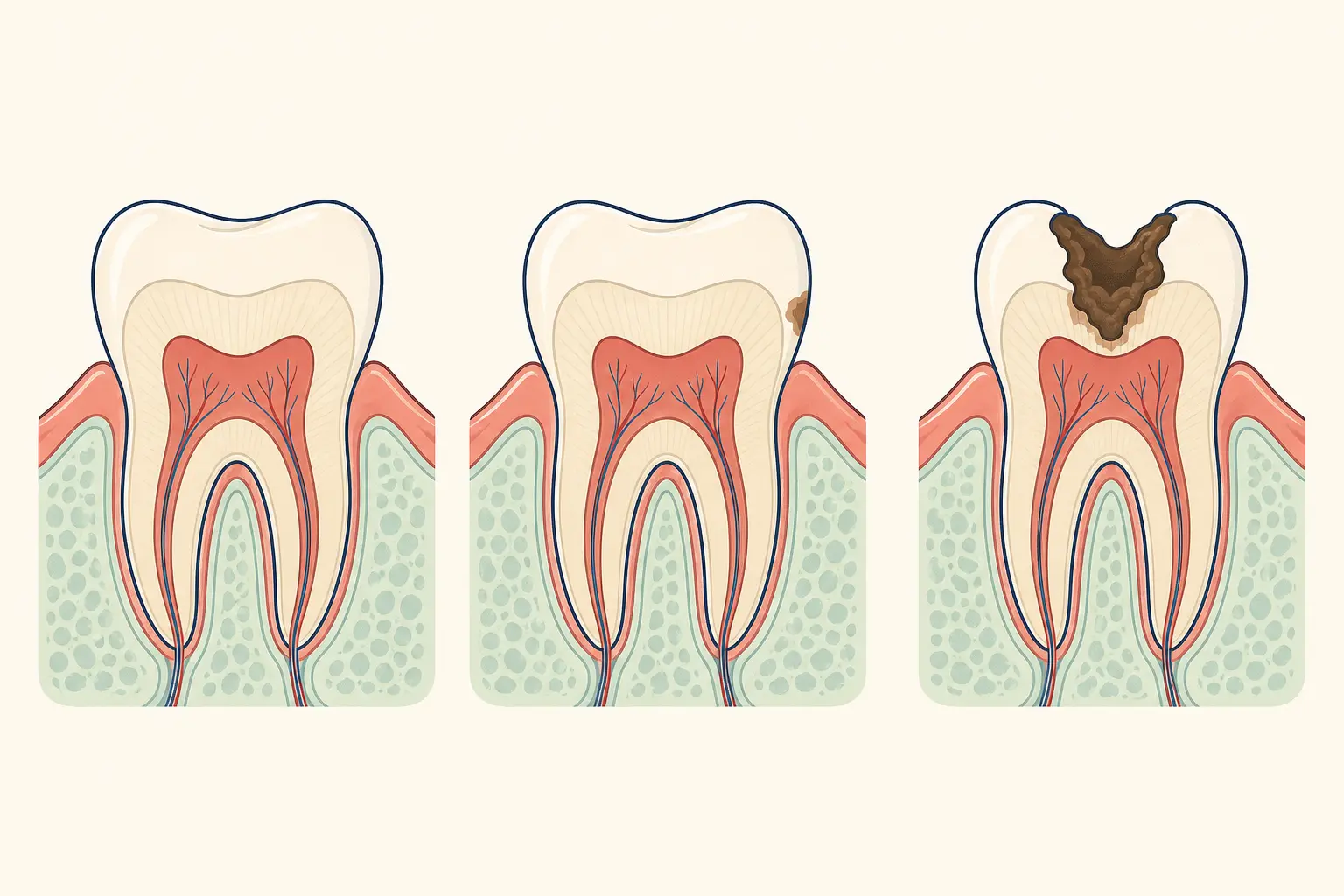
What is the direct answer?
What does this question mean?
Pain, swelling, bleeding, altered bite, sensitivity, discoloration, and loose teeth can arise from enamel, dentine, pulp, periodontal tissues, bone, or the jaw joint. Similar symptoms can have different causes, so location and timing matter.
What can you do next?
Write down when the symptom began, what triggers it, and whether there is swelling, fever, drainage, trauma, or a medication change. Keep normal gentle oral hygiene and bring prior dental records or images to the appointment.
When should you seek dental care?
Seek prompt dental care for persistent pain, swelling, pus, bleeding that recurs, a broken tooth, or a new lump. Emergency services are appropriate for facial or neck swelling that impairs breathing or swallowing.
What should you ask the dentist?
Ask which structure is affected, what findings support the diagnosis, and whether an X-ray or other test is needed. Ask what treatment options preserve function and what changes should prompt earlier review.
Frequently asked questions
Can one symptom have several causes?
Yes. For example, sensitivity may involve exposed dentine, decay, a crack, or an inflamed pulp.
Will I always need an X-ray?
No. The need depends on the examination, symptoms, tooth anatomy, previous treatment, and the diagnostic question.