
Gap bands before and after
Gap bands are elastic separators or tooth-moving devices, and the result depends on the cause and size of the space.
The short answer
Gap bands are elastic rings placed around or between teeth to create space or move a tooth, but they are not a general substitute for orthodontic treatment. A dentist should identify the cause of the gap before choosing a controlled method to close it.
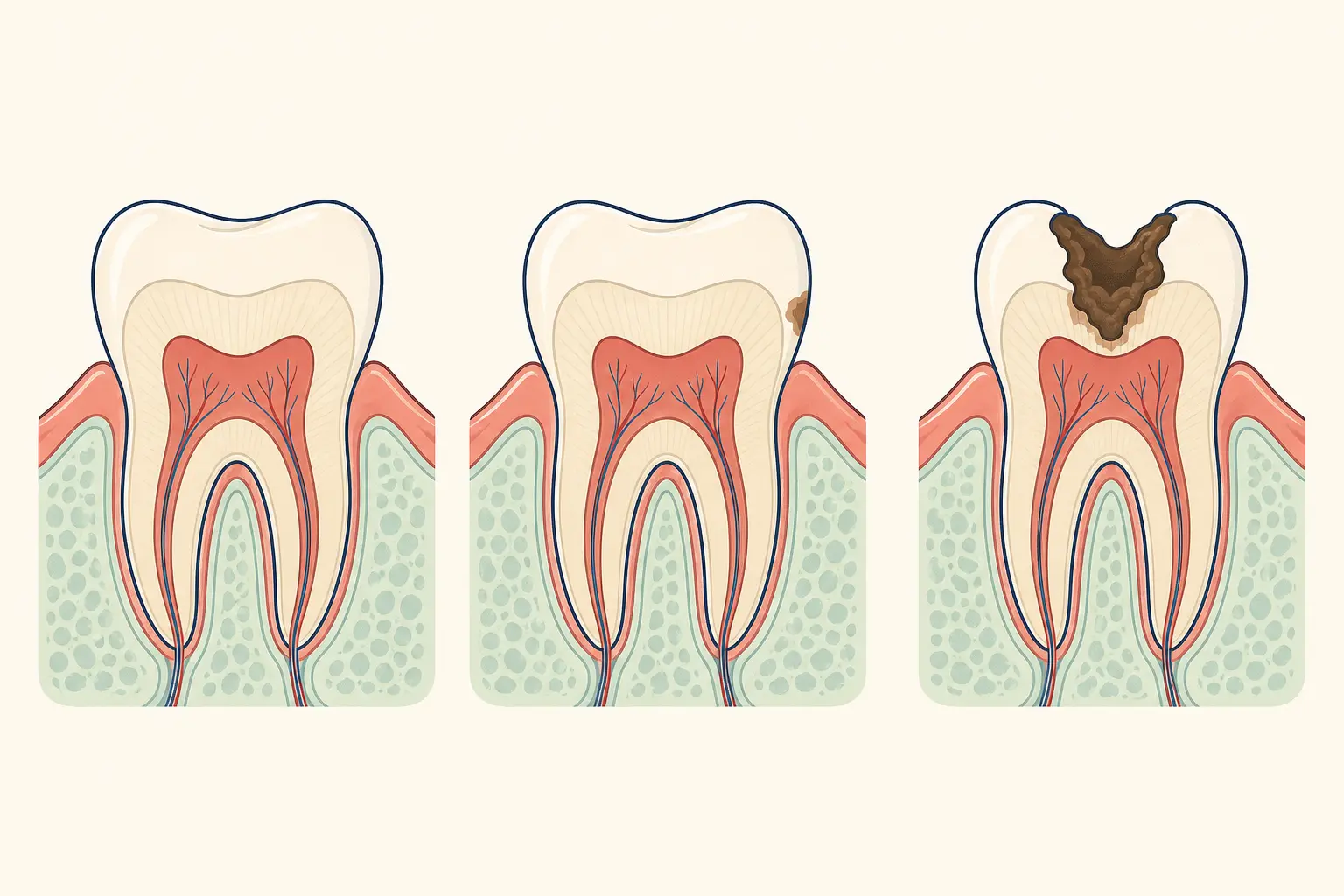
What is the direct answer?
What does this question mean?
A visible gap may be a normal space, a space from a missing tooth, gum disease, a frenum attachment, tooth-size differences, or tooth movement. Orthodontic appliances apply measured forces through brackets, wires, or clear aligners to move teeth within supporting bone.
What can you do next?
Do not place an elastic around a tooth without a dental plan, because it can slide under the gum and damage the periodontal ligament or bone. Book an examination so the dentist can check the gums, roots, bite, X-rays, and the best space-closing option.
When should you seek dental care?
Seek care promptly if a band causes bleeding, swelling, severe pain, looseness, or a tooth that looks displaced. A gap that appeared suddenly, especially with gum bleeding or tooth mobility, can indicate periodontal damage.
What should you ask the dentist?
Ask what caused the space and whether orthodontic movement, bonding, a veneer, or replacement of a missing tooth is appropriate. Ask how retention will prevent the teeth from drifting after treatment.
Frequently asked questions
Do gap bands close spaces permanently?
A lasting result depends on the cause, the treatment plan, and retention after teeth are positioned.
Can a gap band damage gums?
An elastic can migrate below the gumline and injure supporting tissues, so it should not be used without professional supervision.