
Oral b gum care compact toothbrush extra soft
A compact extra-soft toothbrush can clean along the gumline gently when used with light pressure and a small controlled motion.
The short answer
A compact extra-soft toothbrush can clean along the gumline gently when used with light pressure and a small controlled motion. The small head helps reach back teeth, while fine filaments can contact the cervical tooth surface without scrubbing the gingiva.
What is the direct answer?
What does this question mean?
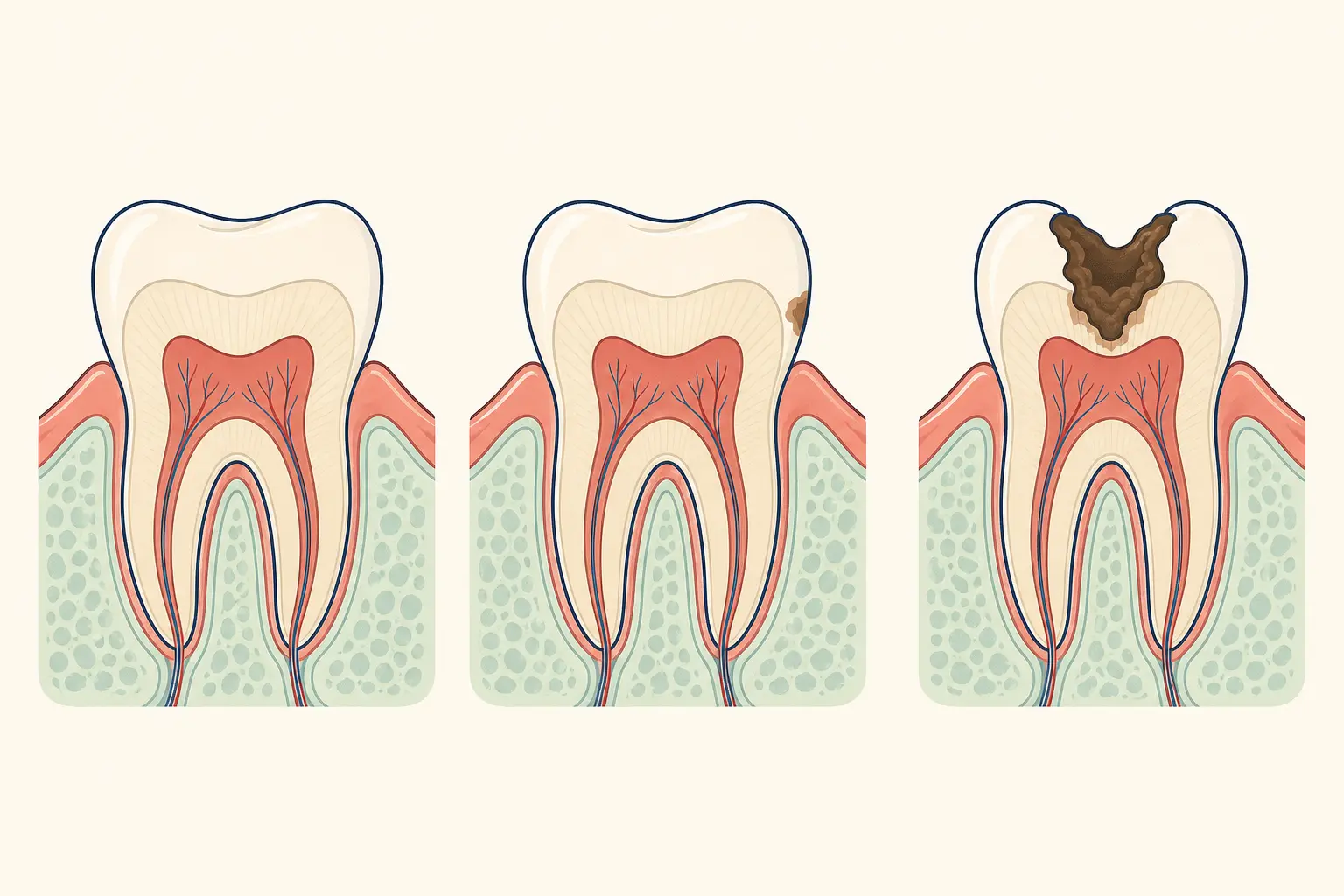
This is a question about toothbrush head size, filament stiffness, and gum-care technique. Gum irritation can come from plaque at the gingival margin, forceful horizontal brushing, or a brush that is worn or too firm.
What can you do next?
Use a fluoride toothpaste and place the filaments at the gumline, then make small gentle circles without pressing the bristles flat. Clean the outer, inner, and chewing surfaces, including the last molars, and replace the brush when its filaments splay.
When should you seek dental care?
Arrange an examination if bleeding continues despite gentle cleaning, or if the gums are swollen, tender, receding, or producing pus. Prompt care is needed for facial swelling, fever, or difficulty swallowing or breathing.
What should you ask the dentist?
Ask whether plaque-related gingivitis, recession, or another problem is causing the irritation, and request a demonstration of pressure and brush angle. Ask whether an interdental brush or floss is needed for the spaces your toothbrush cannot reach.
Frequently asked questions
Can an extra-soft brush remove plaque?
Yes, it can remove plaque when it is guided systematically along every tooth surface and between teeth are cleaned separately.
Why do my gums bleed with a new brush?
Bleeding may reflect existing gum inflammation, excessive pressure, or a change in technique, so persistent bleeding deserves an examination.