
Gum crayola
If you mean a gum-colored or crayon-like spot, its cause may be irritation, a harmless variation, a cyst, or an infection.
The short answer
If you mean a gum-colored or crayon-like spot, its cause may be irritation, a harmless variation, a cyst, or an infection. A description alone cannot identify the tissue, so color, texture, location, and change over time matter.
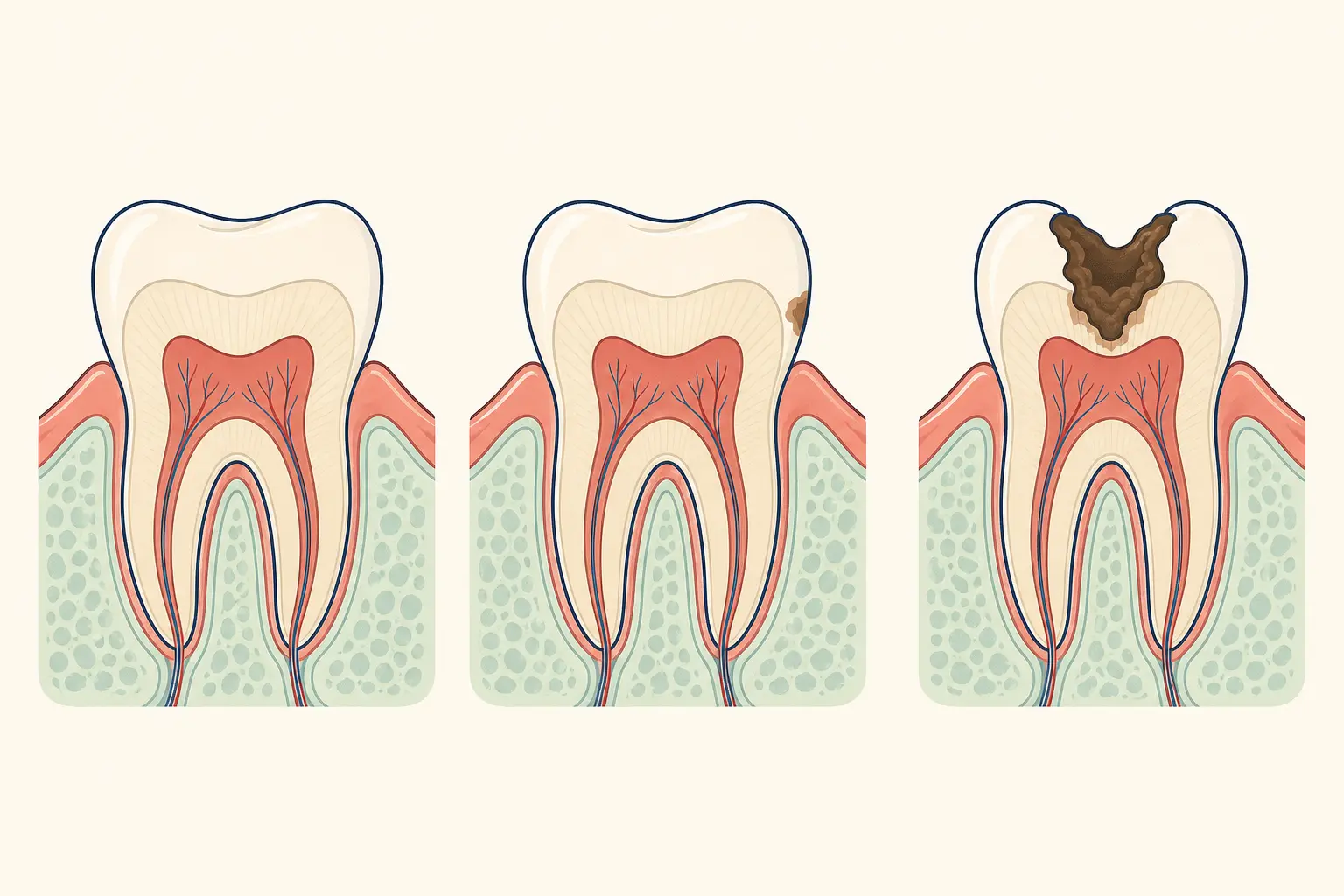
What is the direct answer?
What does this question mean?
A new mark on the gingiva can follow biting, a sharp tooth, a filling edge, tobacco or pigment exposure, or inflammation. A smooth stable area differs from an ulcer, a firm lump, or a pus-filled swelling, which require different assessment.
What can you do next?
Look at the area in good light without rubbing or scraping it, and record when it appeared and whether it changes. Keep brushing gently and avoid the suspected irritant while arranging an oral examination if the mark persists.
When should you seek dental care?
Seek an examination for a persistent, enlarging, bleeding, ulcerated, hard, or painful area, especially if it causes numbness or affects eating. Urgent care is needed for spreading swelling, fever, or difficulty swallowing or breathing.
What should you ask the dentist?
Ask what structure is affected and whether the area needs photography, palpation, a dental X-ray, or referral for further testing. Ask which irritants to remove and how long a healing area should be observed.
Frequently asked questions
Can gum color vary naturally?
Yes. Gingiva can vary in shade, but a new or changing area should be assessed rather than diagnosed from color alone.
Can irritation make a gum spot swell?
Yes. Repeated contact from food, a tooth edge, appliance, or brushing can inflame localized gum tissue.