
Gum keeps bleeding
Persistent gum bleeding usually reflects inflammation from plaque or calculus, but medication effects, trauma, and systemic conditions can also contribute.
The short answer
Persistent gum bleeding usually reflects inflammation from plaque or calculus, but medication effects, trauma, and systemic conditions can also contribute. The cause determines whether home care alone is enough.
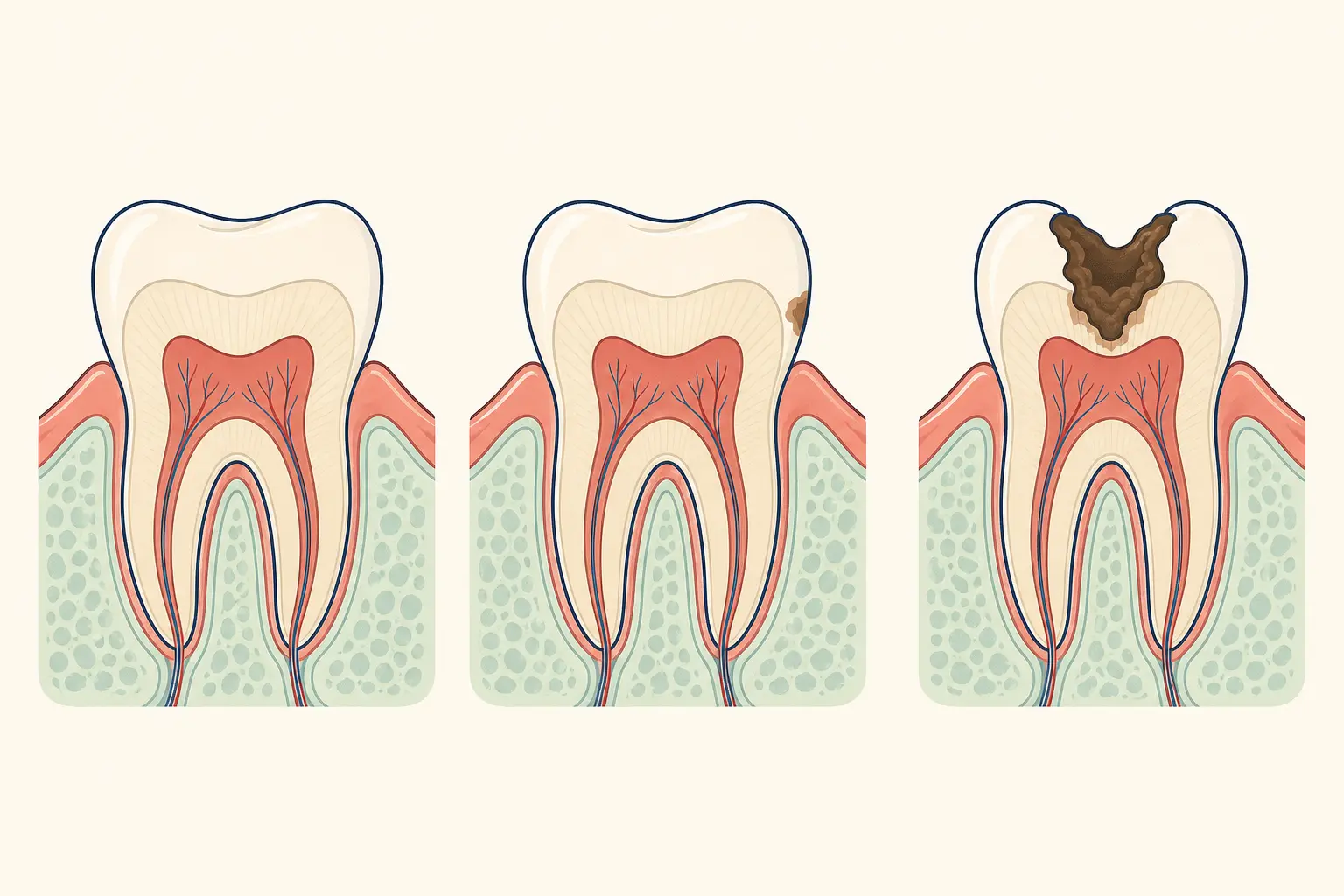
What is the direct answer?
What does this question mean?
Bleeding is a sign that the gingival tissues are inflamed or injured, not a normal endpoint of brushing. The cause determines whether home care alone is enough.
What can you do next?
Brush along the gumline with a soft brush and clean between teeth while arranging an assessment for professional plaque or calculus removal. The cause determines whether home care alone is enough.
When should you seek dental care?
Seek prompt care for persistent bleeding, spontaneous bleeding, marked swelling, pus, fever, bruising, or a loose tooth. The cause determines whether home care alone is enough.
What should you ask the dentist?
Ask for gum-pocket measurements, an assessment of bleeding causes, and a prevention plan tailored to your cleaning technique. The cause determines whether home care alone is enough.
Frequently asked questions
Can home care fix the underlying cause?
It may reduce irritation, but a dental examination is needed when decay, calculus, infection, or a damaged restoration may be present.
What changes make this more urgent?
Increasing pain, swelling, fever, pus, or difficulty swallowing or breathing calls for prompt assessment.