
Gum toothbrush soft
A soft-bristled toothbrush is usually the practical choice for cleaning along the gumline without excessive pressure.
The short answer
A soft-bristled toothbrush is suitable for most people who want to clean the gumline while limiting mechanical irritation. Angle the bristles toward the gum margin, use small gentle movements, and let the brush do the work instead of pressing hard.
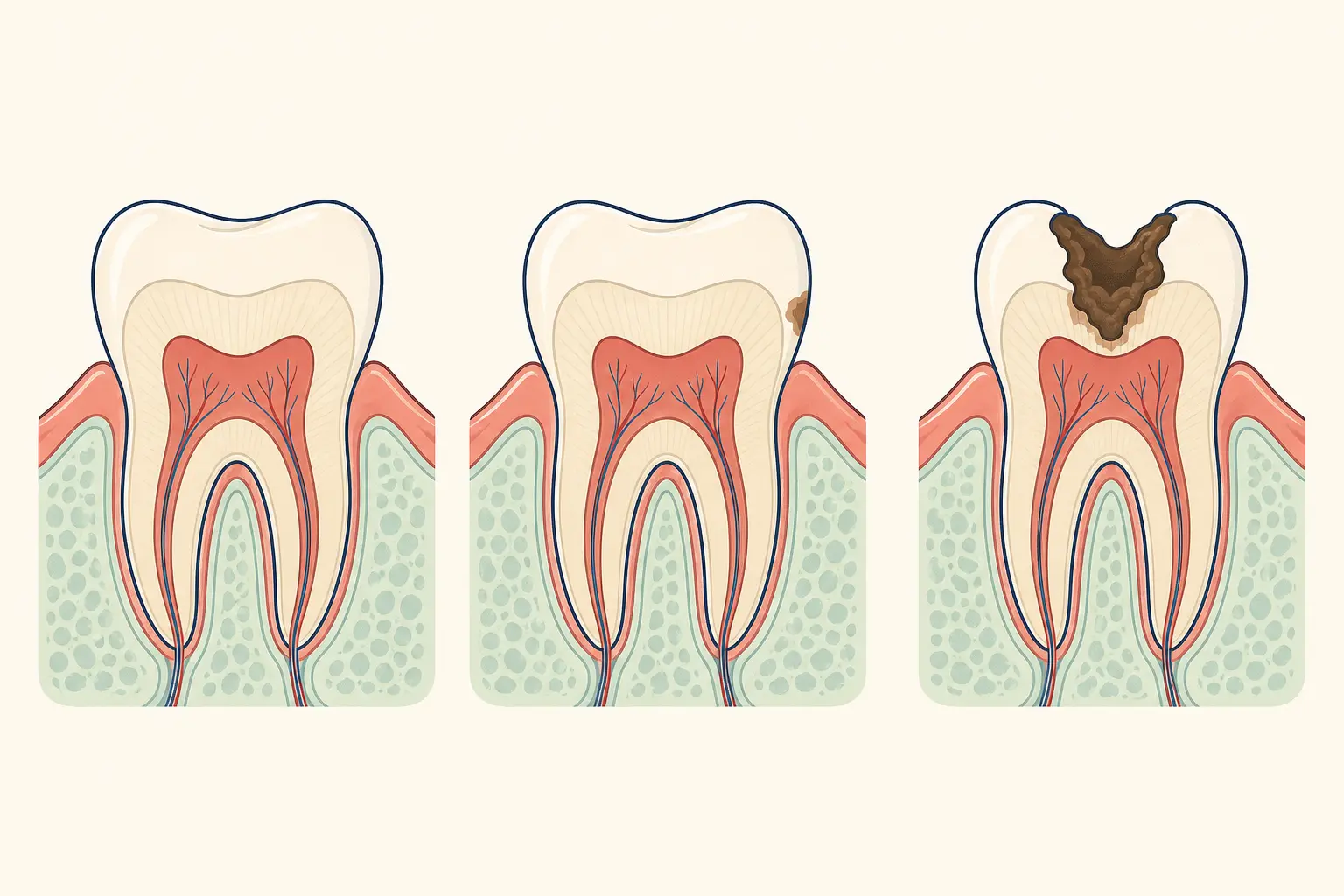
What is the direct answer?
What does this question mean?
The gumline is where plaque collects between the tooth surface and the gingival margin. Soft nylon bristles can reach this border, while stiff bristles and forceful scrubbing can contribute to abrasion or recession.
What can you do next?
Choose a small-headed soft brush, use fluoride toothpaste, and brush the outer, inner, and chewing surfaces for about two minutes. Replace the brush when the bristles flare, and use floss or an interdental brush for the spaces a toothbrush cannot reach.
When should you seek dental care?
See a dentist or hygienist if gums bleed repeatedly, remain swollen, or pull away from teeth despite careful cleaning. A professional can remove tartar, check recession, and tailor the brush or interdental size.
What should you ask the dentist?
Ask whether your bristle pressure is causing abrasion and whether an electric brush with a pressure sensor would help. Ask which interdental brush or floss size fits each gap.
Frequently asked questions
Are hard bristles better?
Hard bristles do not replace technique and may irritate gum tissue or wear tooth surfaces when used forcefully.
How often should I brush?
Brush the teeth and gumline regularly with fluoride toothpaste, following the routine recommended for your mouth.