
Gums bleeding after dental cleaning
A little gum bleeding can follow cleaning when inflamed tissue is disturbed, but ongoing bleeding, swelling, or pain needs a gum examination.
The short answer
Gums may bleed briefly after dental cleaning when inflamed tissue has been disturbed, but bleeding that continues or worsens is not explained by the cleaning alone.
What is the direct answer?
What does this question mean?
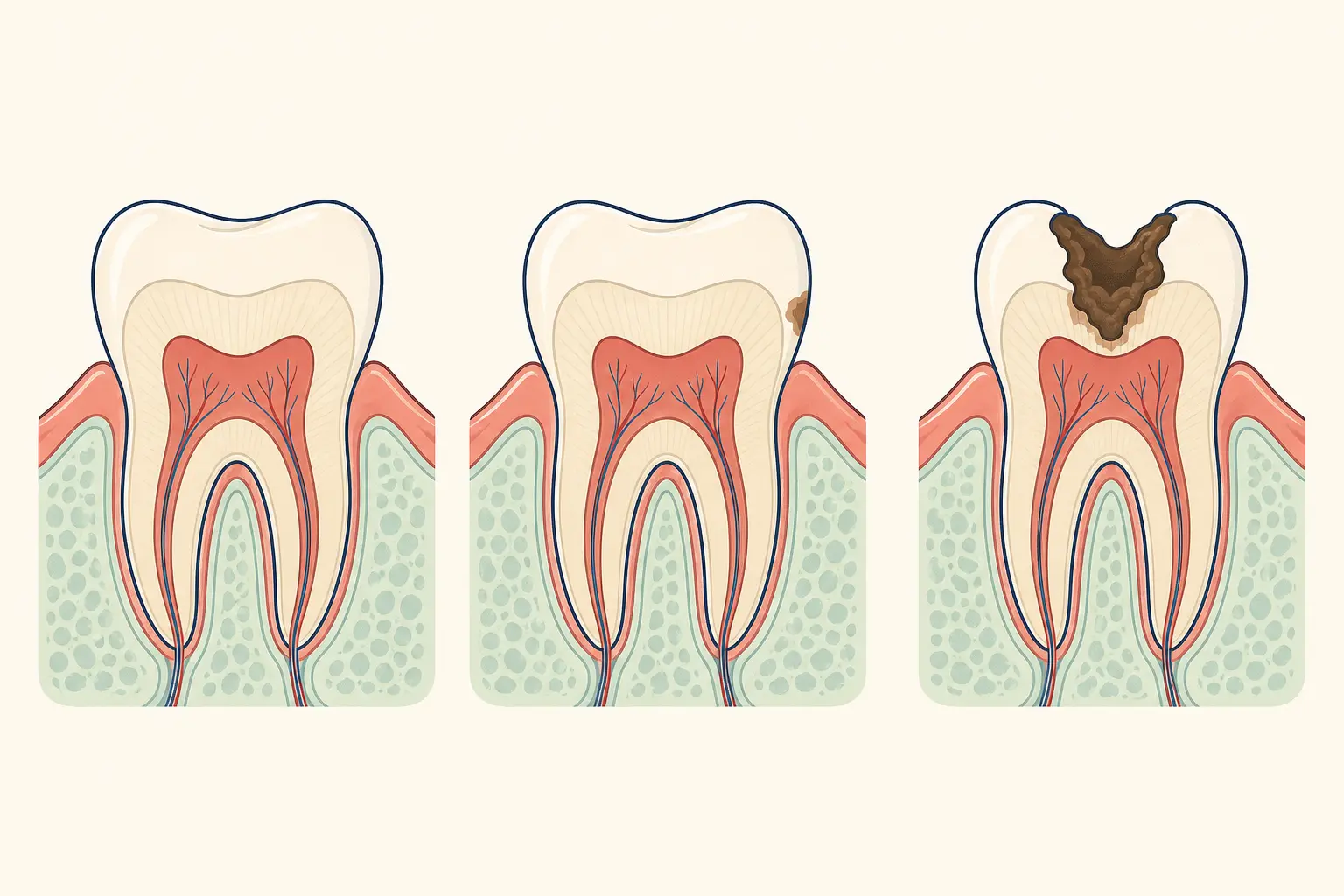
Gingival inflammation makes the tissue around the tooth more vascular and fragile, so an ultrasonic scaler, hand instrument, or toothbrush can expose bleeding points while plaque and calculus are removed. The bleeding reflects the condition of the gum tissue and the depth of deposits, not a treatment goal.
What can you do next?
Follow the clinic’s aftercare instructions, brush gently with a soft brush, clean between the teeth, and avoid picking at the gumline. If local anaesthetic was used, avoid chewing until sensation returns and contact the clinic if a specific area remains painful.
When should you seek dental care?
Contact the dental clinic if bleeding is heavy, continues beyond the expected short period, or comes with swelling, pus, fever, loose teeth, or severe pain. A review can check for residual calculus, periodontal pockets, trauma, or a medical or medication-related bleeding issue.
What should you ask the dentist?
Ask whether the bleeding is from gingivitis or periodontitis, whether periodontal pocket measurements were taken, which interdental tool fits, and when the gums should be reassessed after cleaning.
Frequently asked questions
Should I stop brushing if my gums bleed?
No. Gentle daily brushing and interdental cleaning remove the plaque that sustains inflammation, unless the clinician gives different instructions.
Is bleeding after every cleaning normal?
It can occur when gums are inflamed, but recurrent or prolonged bleeding warrants assessment rather than repeated treatment alone.