
Gums swollen top of mouth
Swelling on the roof of the mouth can involve gum, tooth, salivary, or soft tissue and needs assessment if it persists or hurts.
The short answer
A swollen area on the roof of the mouth may come from an irritated gum, a tooth-root infection, a blocked salivary gland, trauma, or an ulcer, so its location and appearance matter.
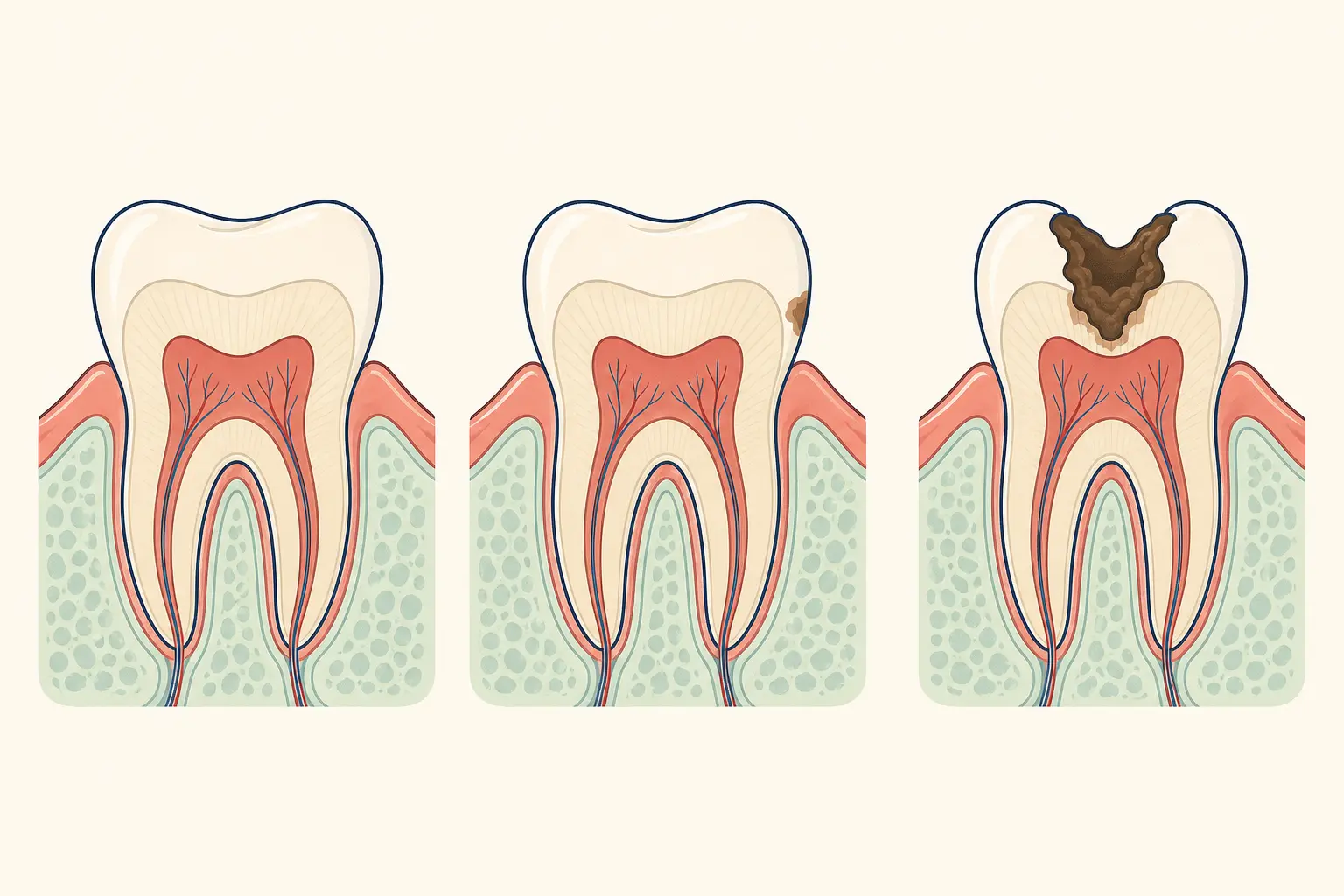
What is the direct answer?
What does this question mean?
The hard palate contains bone covered by mucosa, while the back of the roof contains softer tissue and salivary gland openings. A bump beside a tooth can point to a dental source, whereas a sore after hot food may be surface trauma.
What can you do next?
Rinse gently with warm salt water, avoid hot or sharp foods, and do not puncture or squeeze the swelling. Note its size, colour, pain, and relationship to nearby teeth while arranging an examination if it remains.
When should you seek dental care?
Seek care for a lump that persists, enlarges, drains, or causes tooth pain. Facial swelling, fever, or difficulty swallowing or breathing needs urgent assessment.
What should you ask the dentist?
Ask whether the swelling is linked to a tooth, gum, salivary tissue, or surface injury, and whether examination, dental imaging, or referral is needed.
Frequently asked questions
Can a tooth abscess cause a palatal bump?
Yes, infection from a tooth root can drain toward the palate and create localized swelling.
When is a palatal lump urgent?
Urgency rises with rapid growth, fever, spreading swelling, or difficulty breathing or swallowing.