
Gums under teeth swollen
Swollen gum beneath a tooth may result from plaque inflammation, trapped food, trauma, decay, or infection in the tooth or surrounding tissues.
What is the direct answer?
Swollen gum beneath a tooth may result from plaque inflammation, trapped food, trauma, decay, or infection in the tooth or surrounding tissues.
What does this question mean?
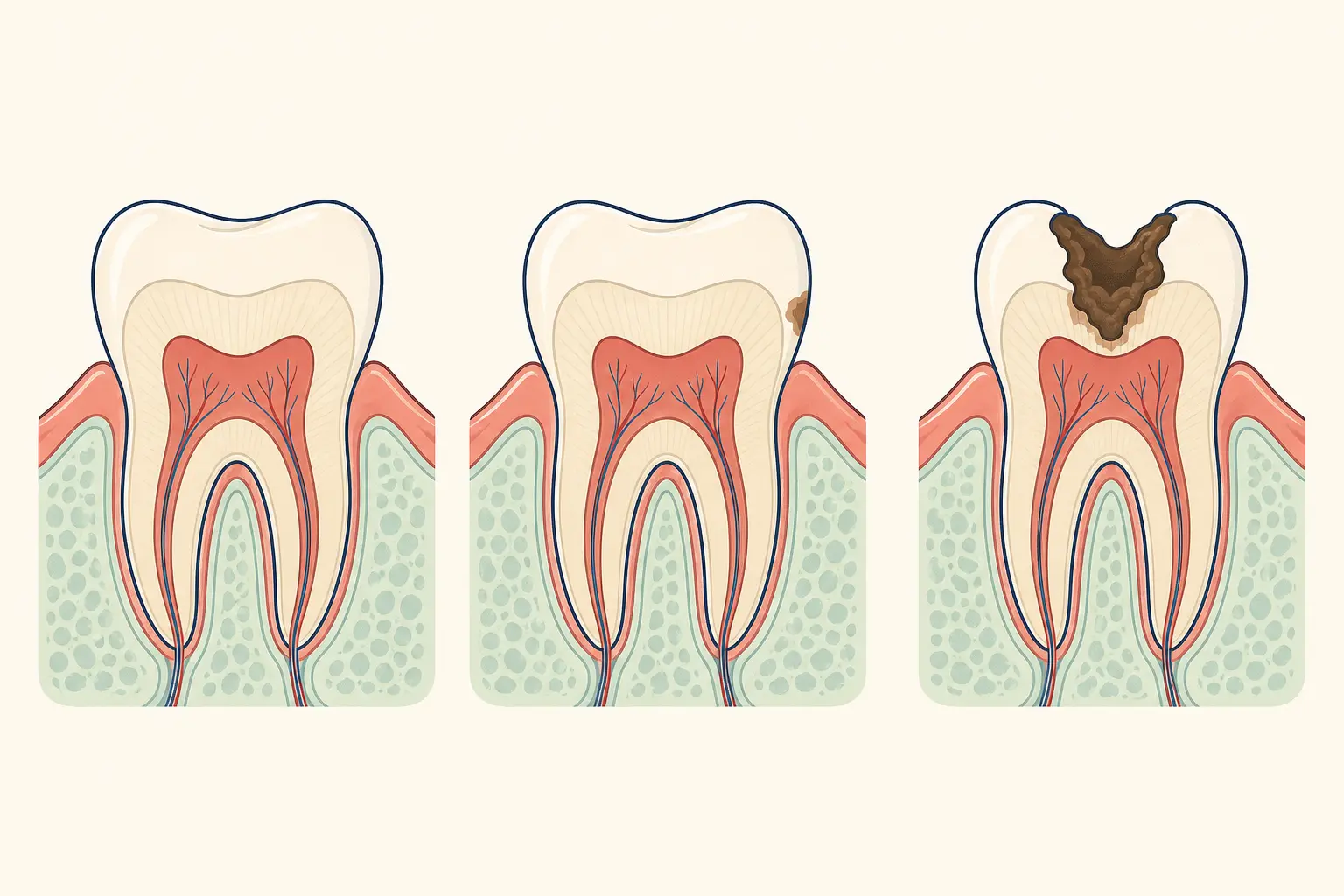
Gingiva surrounds the tooth and is supported by the periodontal ligament and jawbone. A local lump may be irritated gum, a periodontal pocket, a draining abscess, or pressure from an erupting tooth.
What can you do next?
Brush gently, clean between teeth, and rinse with warm salt water if soothing. Avoid sharp objects and placing aspirin directly on the gum.
When should you seek dental care?
Arrange prompt care for pain on biting, pus, bad taste, fever, a loose tooth, or increasing swelling. Facial swelling or breathing or swallowing difficulty is an emergency.
What should you ask the dentist?
Ask whether the swelling is in the gum or comes from the pulp, and whether probing, X-rays, drainage, a filling, root canal, extraction, or gum treatment is needed.
Frequently asked questions
What is the main point?
Swollen gum beneath a tooth may result from plaque inflammation, trapped food, trauma, decay, or infection in the tooth or surrounding tissues.
What should I do now?
Brush gently, clean between teeth, and rinse with warm salt water if soothing. Avoid sharp objects and placing aspirin directly on the gum.