
Hard swelling in gum
A firm gum swelling can come from bone, an erupting tooth, a fibroma, or infection, so its location and duration guide examination.
The short answer
A hard gum swelling may be a normal bony prominence, an erupting tooth, a scar-like fibroma, or a dental infection, and examination is needed to distinguish these causes.
What is the direct answer?
What does this question mean?
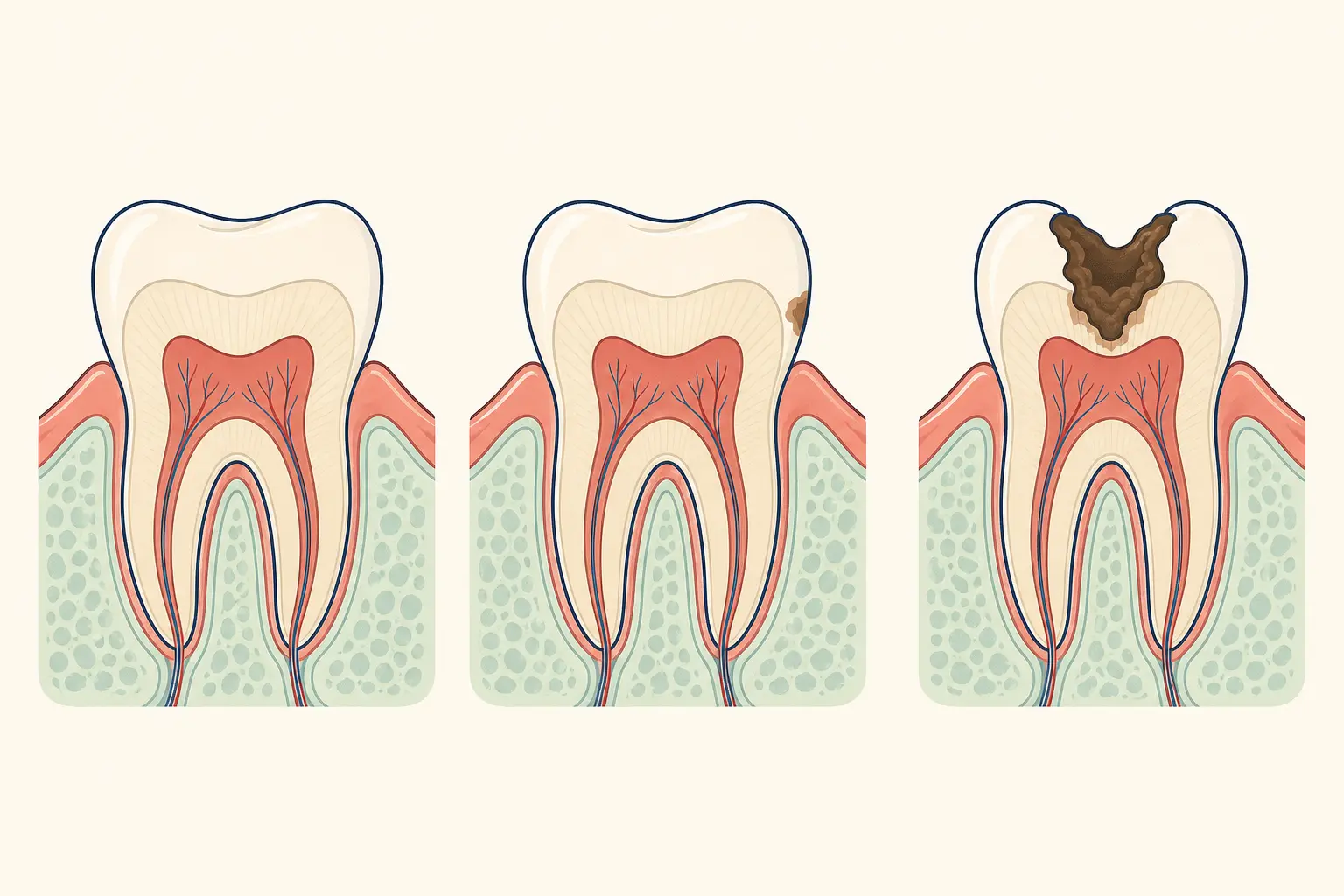
The lump may arise from the alveolar bone, the gum surface, or tissue over a tooth root. A smooth, unchanged bump differs clinically from a tender swelling with pus, drainage, tooth pain, or a rapidly changing outline.
What can you do next?
Do not squeeze, cut, or repeatedly press the lump. Note its exact position, size, tenderness, color, and how long it has been present, then keep brushing gently and arrange an oral examination.
When should you seek dental care?
Seek prompt care for a new or enlarging lump, ulceration, numbness, bleeding, drainage, tooth mobility, or pain. Facial or neck swelling with breathing or swallowing difficulty needs emergency help.
What should you ask the dentist?
Ask whether the swelling is in bone or soft tissue and whether dental X-rays or another image is needed. Ask whether it needs observation, removal, periodontal treatment, or treatment of an infected tooth.
Frequently asked questions
Is a hard gum lump always an abscess?
No. An abscess is one possibility; bone contours, erupting teeth, fibromas, and other lesions can also feel firm.
Can a dentist tell what it is by looking?
The examination may identify its origin, but dental imaging or tissue sampling can be needed when the diagnosis is not clear.