
Home medicine for teeth pain
For tooth pain at home, protect the area, use only suitable label-directed medicine, and arrange dental care because pain has an underlying cause.
The short answer
Home measures can reduce tooth pain temporarily, but they do not remove decay, pulp inflammation, a crack, gum infection, or another underlying cause that needs dental treatment.
What is the direct answer?
What does this question mean?
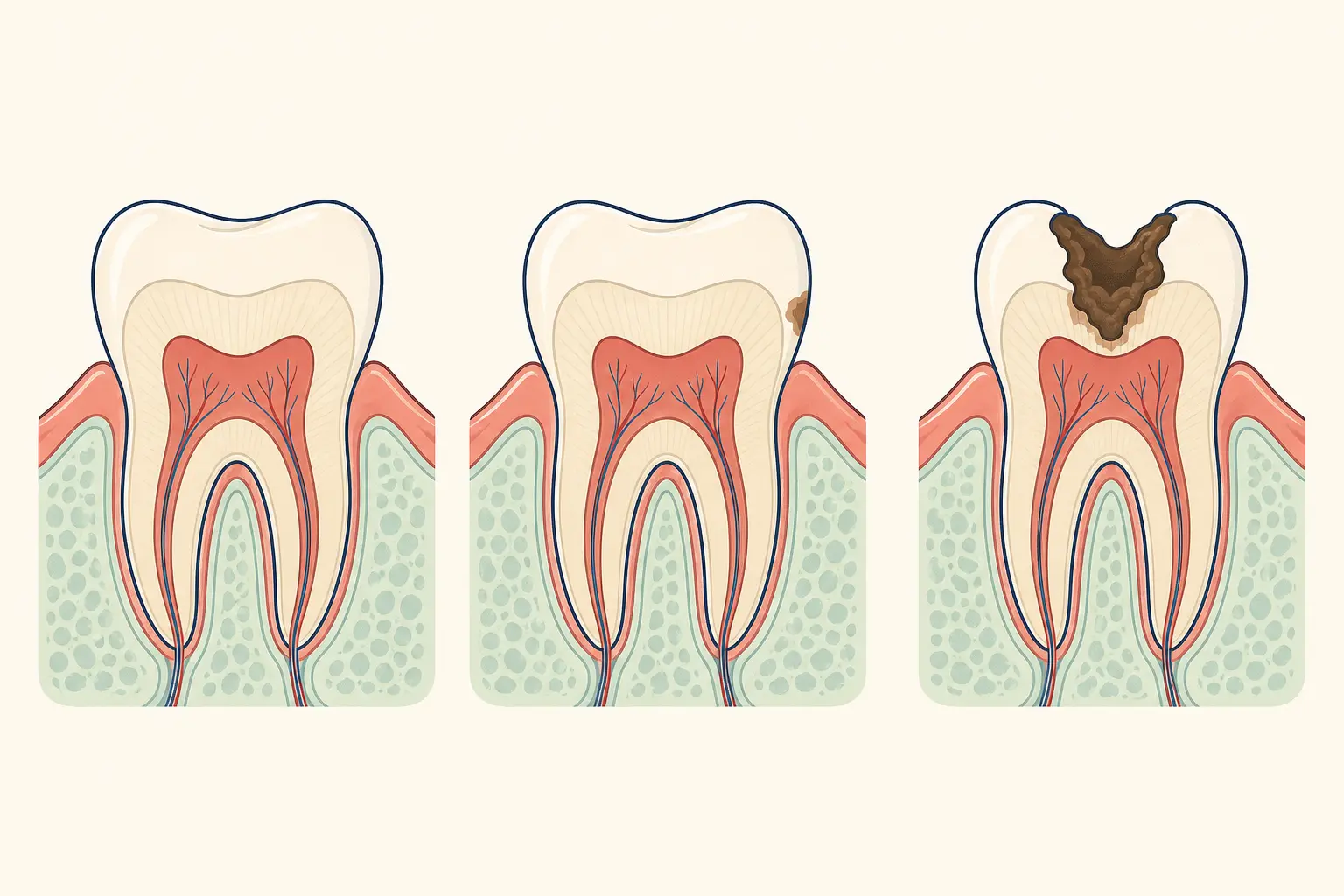
Tooth pain may arise from exposed dentine, inflamed pulp inside the tooth, infection around the root, a cracked tooth, gum tissue, or jaw muscles. The pain pattern and clinical tests help distinguish these sources.
What can you do next?
Rinse gently, keep food away from the painful area, brush carefully, and use an over-the-counter pain medicine only if it is suitable for you and exactly as its label states. Do not place aspirin, alcohol, or caustic substances on the gum, and do not delay care because the pain briefly improves.
When should you seek dental care?
Seek urgent dental care for swelling, fever, pus, a bad taste, severe pain, trauma, or difficulty opening the mouth, swallowing, or breathing. Pain that wakes you, persists, or returns needs examination even without swelling.
What should you ask the dentist?
Ask whether the pulp, root, gum, crack, or bite is causing the pain, whether an X-ray or vitality test is needed, and whether filling, root canal treatment, drainage, or removal is indicated.
Frequently asked questions
Can pain medicine cure a toothache?
It can reduce pain for a time, but it cannot remove decay, infected tissue, a crack, or another dental cause.
What should I do if the problem keeps returning?
Seek urgent dental care for swelling, fever, pus, a bad taste, severe pain, trauma, or difficulty opening the mouth, swallowing, or breathing. Pain that wakes you, persists, or returns needs examination even without swelling.