
Home remedies to reduce gum swelling
Gentle brushing, interdental cleaning, a warm salt-water rinse, and avoiding irritants may ease gum swelling while its cause is assessed.
The short answer
Home care can reduce irritation from plaque or trapped food, but gum swelling needs dental assessment when it persists, recurs, or comes with pain, pus, or fever. Gentle cleaning may help the tissue, but it cannot remove a deep abscess, advanced gum pocket, or damaged tooth.
What is the direct answer?
What does this question mean?
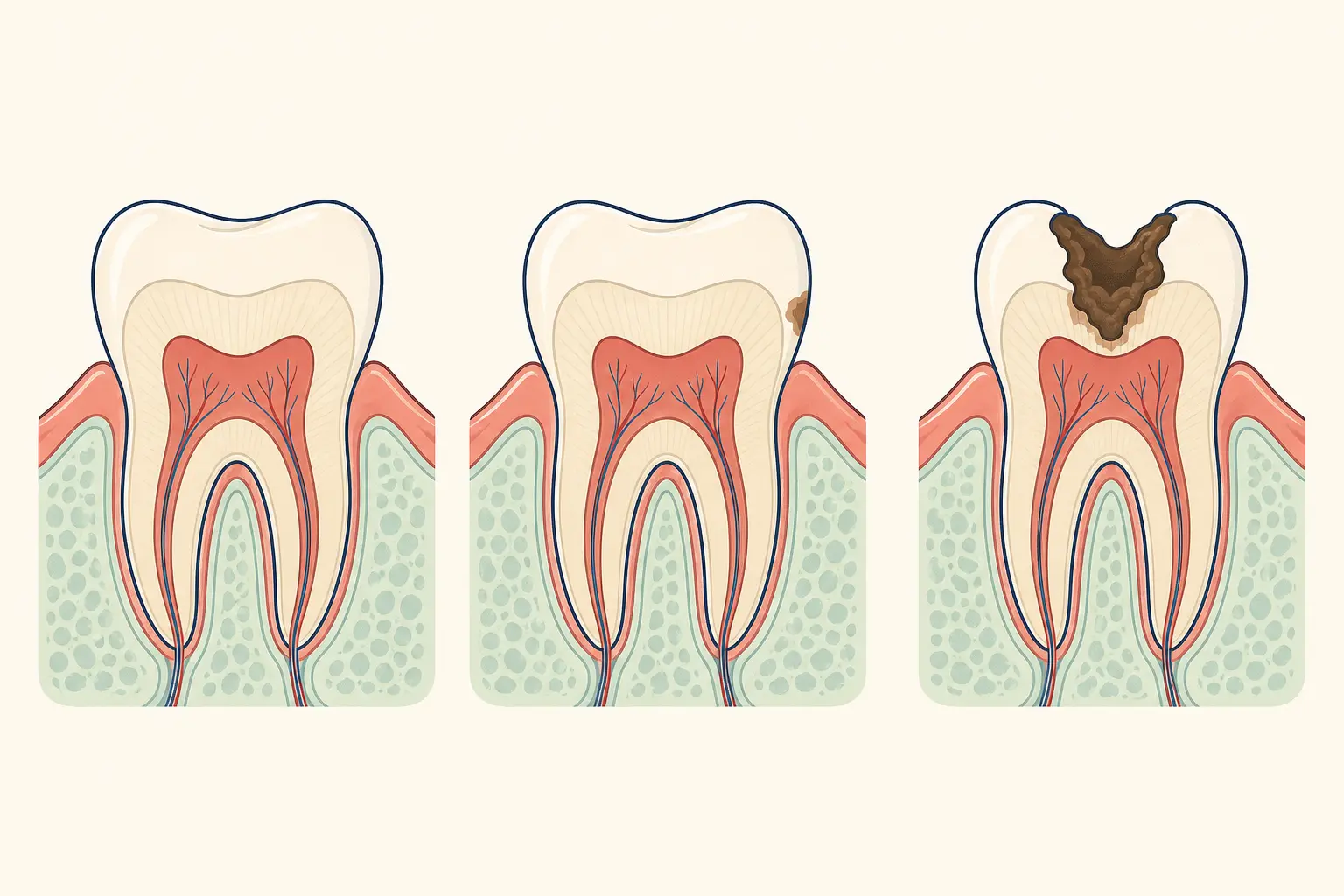
Swelling is fluid and inflammatory tissue around the gingiva, and it may affect one area or the whole mouth. Plaque, food impaction, trauma, gum disease, a partially erupted tooth, or infection inside a tooth can produce similar-looking swelling.
What can you do next?
Brush gently at the gumline, clean between teeth, and rinse with warm salt water if it is comfortable to do so. Avoid tobacco, very hot foods, sharp objects, and squeezing the swelling; use pain medicine only according to its label or a clinician's instructions.
When should you seek dental care?
Arrange dental care for swelling that lasts, returns, bleeds easily, or is accompanied by tooth pain, bad taste, or pus. Facial swelling, fever, difficulty swallowing, difficulty breathing, or rapidly worsening symptoms require urgent care.
What should you ask the dentist?
Ask whether the swelling comes from the gum, a tooth, or an erupting molar, and whether probing or an X-ray is needed. Ask which cleaning method fits the area and what treatment removes the underlying cause.
Frequently asked questions
Does salt water cure swollen gums?
A warm salt-water rinse may soothe irritated tissue, but it does not treat decay, a deep gum pocket, or an abscess.
Should I pop a gum swelling?
No. Squeezing can injure tissue and spread contamination; a dentist should identify and drain or treat the source when needed.