
Inflamed mouth and gums
Inflamed gums are often caused by plaque, but ulcers, infection, irritation, and systemic illness can also affect the mouth.
The short answer
Inflamed gums and mouth tissues can result from plaque-related gingivitis, infection, injury, dry mouth, irritants, or medical conditions, and the treatment depends on the pattern. Redness, swelling, tenderness, bleeding, ulcers, or a burning sensation are useful details to record.
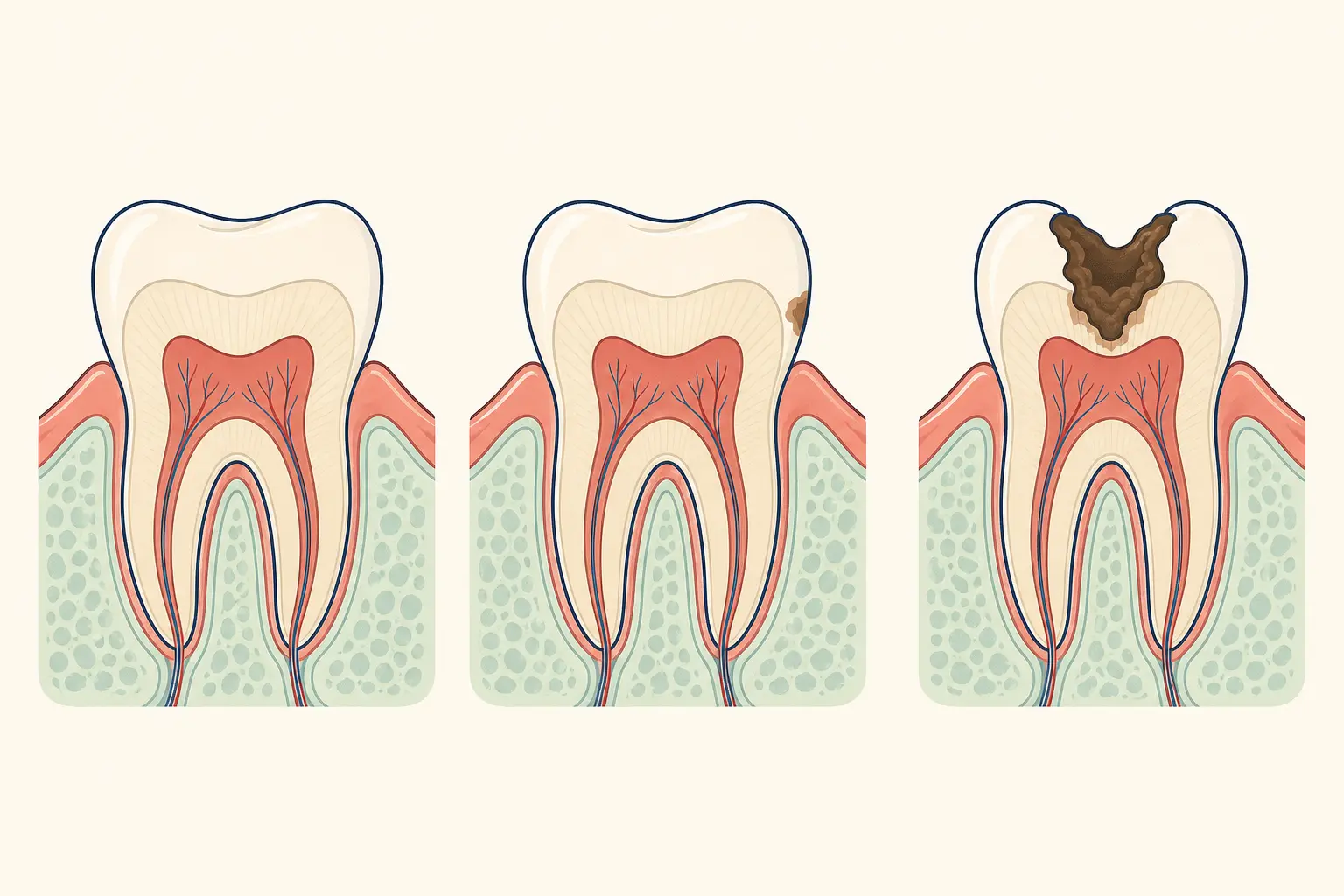
What is the direct answer?
What does this question mean?
Inflammation is an immune response that changes blood flow and makes oral tissue swollen or sensitive. A dentist looks at the gums, tongue, cheeks, palate, teeth, saliva, and neck, then considers plaque, trauma, medicines, infection, and general health.
What can you do next?
Brush gently, clean between teeth, drink water, and avoid tobacco, alcohol-containing irritants, and foods that worsen soreness. Do not scrub ulcers or use strong chemicals on oral tissue.
When should you seek dental care?
Arrange an examination for inflammation that persists, repeatedly returns, bleeds easily, or comes with pain, pus, fever, or a persistent ulcer. Seek urgent care for rapidly spreading swelling or trouble breathing and swallowing.
What should you ask the dentist?
Ask whether the findings fit gingivitis, periodontal disease, an ulcer, fungal infection, trauma, or a tooth-related infection. Ask whether you need cleaning, a swab, X-ray, medicine, or review of a medical condition.
Frequently asked questions
Can stress inflame gums?
Stress may affect habits and dry mouth, but the visible cause still needs an oral examination.
Does mouthwash treat inflamed gums?
It may support a prescribed plan, but it does not replace plaque removal or diagnosis of the cause.