
Medicine for gingival inflammation
Gingival inflammation is treated by removing plaque and tartar and addressing its cause; medicine may help selected cases but does not replace gum cleaning
The short answer
Gingival inflammation is treated by removing plaque and tartar and addressing its cause; medicine may help selected cases but does not replace gum cleaning.
What is the direct answer?
What does this question mean?
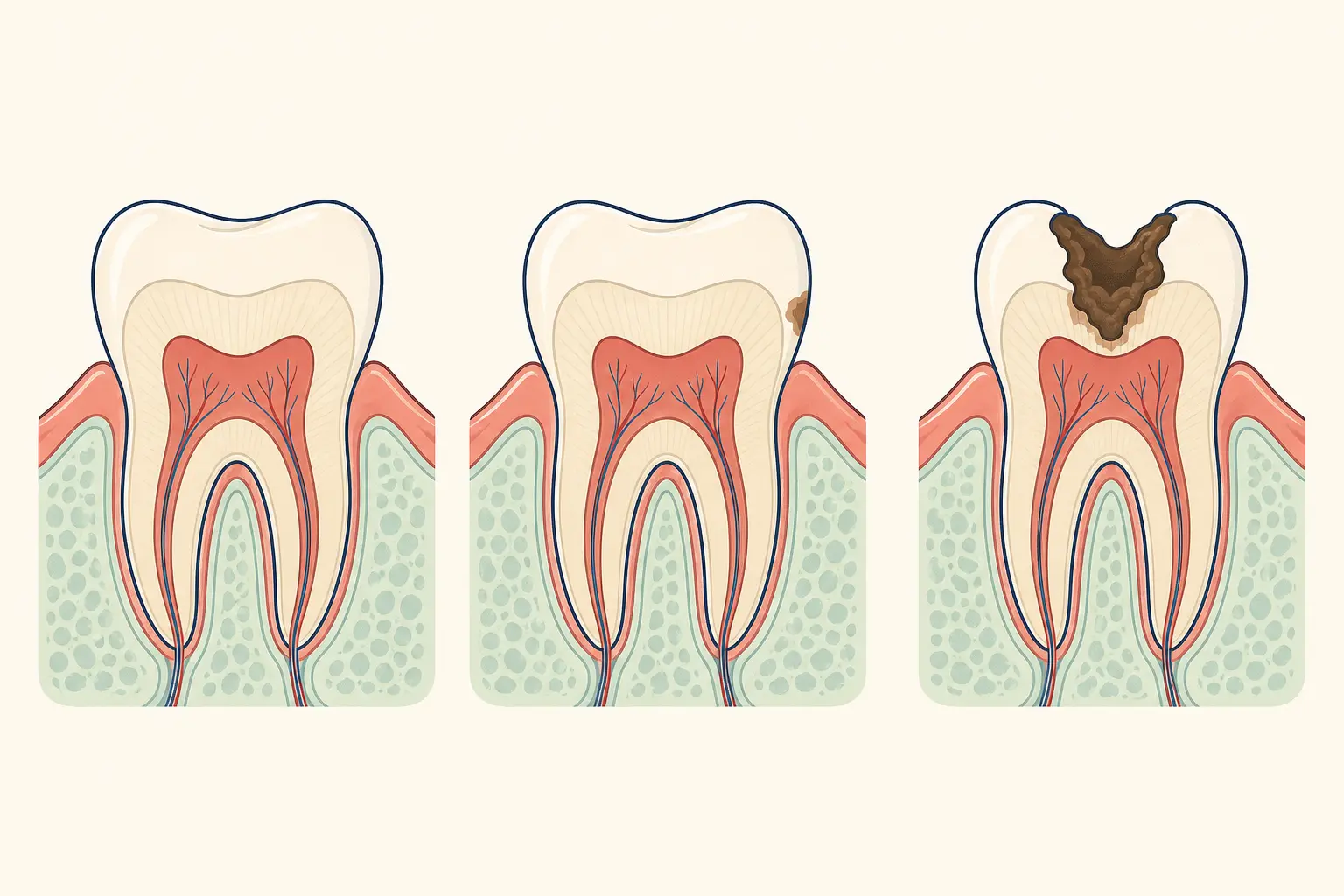
Gingivitis is inflammation of the gingiva around the teeth, commonly driven by plaque biofilm at the gum margin. Swelling, redness, bleeding, tenderness, and bad breath can occur, while deeper disease may involve periodontal pockets and supporting bone.
What can you do next?
Brush gently along the gumline, clean between teeth daily, and follow any prescribed rinse exactly. Do not share medicines, place aspirin or other tablets on the gums, or use antibiotics without an examination and prescription.
When should you seek dental care?
Seek care when swelling, bleeding, pain, pus, persistent bad breath, gum recession, or loose teeth occur. Fever, facial swelling, or difficulty swallowing or breathing needs urgent assessment.
What should you ask the dentist?
Ask whether you have gingivitis or periodontitis, what cleaning is needed, why a medicine is being recommended, how to use it, and what side effects or interactions matter with your current medicines.
Frequently asked questions
Can I manage this entirely at home?
Brush gently along the gumline, clean between teeth daily, and follow any prescribed rinse exactly. Do not share medicines, place aspirin or other tablets on the gums, or use antibiotics without an examination and prescription.
What would make this need prompt care?
Seek care when swelling, bleeding, pain, pus, persistent bad breath, gum recession, or loose teeth occur. Fever, facial swelling, or difficulty swallowing or breathing needs urgent assessment.