
Medicine that helps with toothaches
Pain medicines may ease a toothache temporarily, but lasting relief requires diagnosis and treatment of the dental cause.
The short answer
Pain relievers can lower toothache symptoms, while a filling, root canal, drainage, or extraction may be needed for the underlying problem.
What is the direct answer?
What does this question mean?
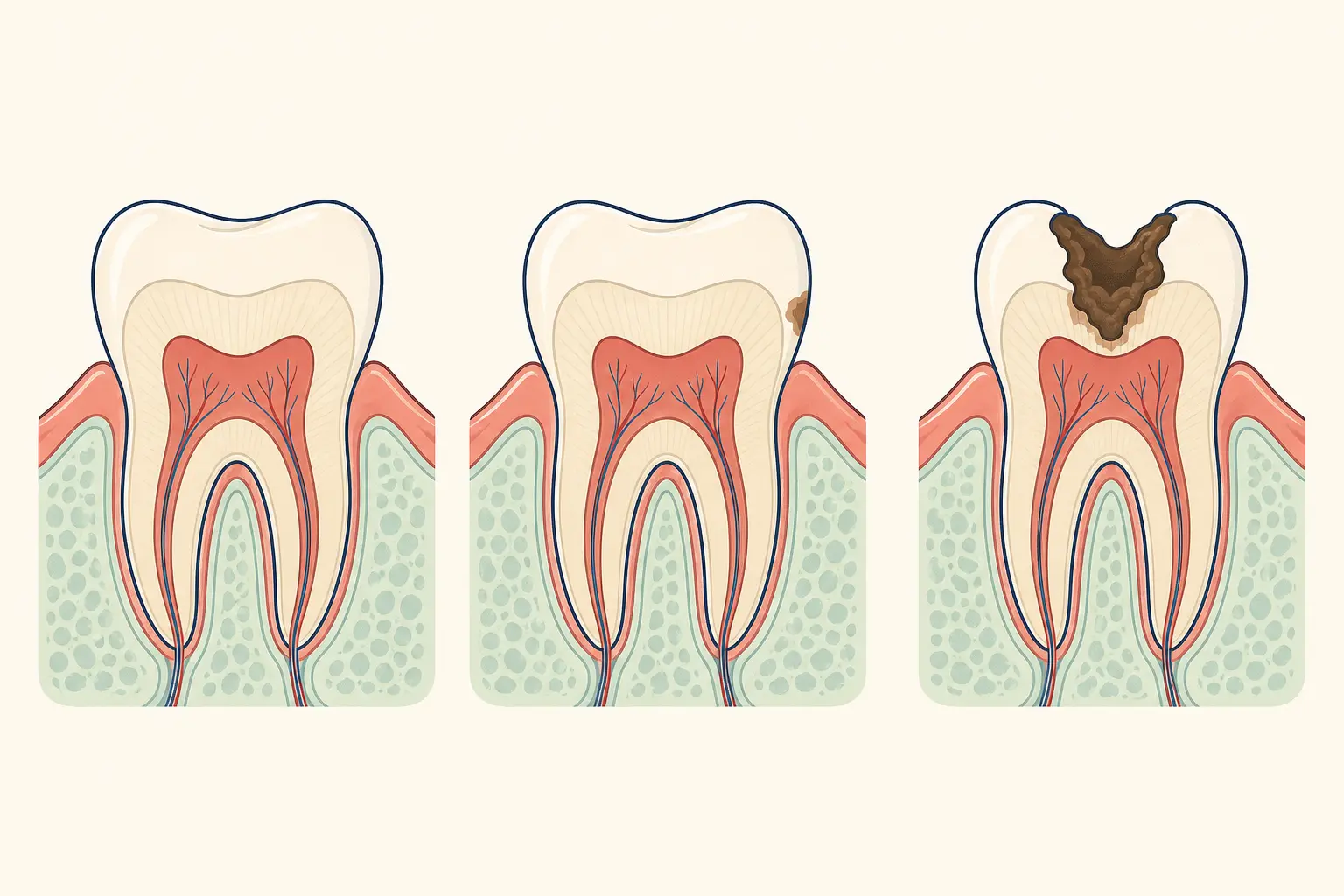
Pulp inflammation, decay, a crack, gum infection, and trauma produce different treatment needs. Medicine choice also depends on allergies, pregnancy, ulcers, kidney disease, and other drugs.
What can you do next?
Read active ingredients, use only the labeled amount, and ask a pharmacist when unsure. Keep the mouth clean and never place medicine directly on soft tissue.
When should you seek dental care?
Seek urgent dental help for facial swelling, fever, pus, rapidly worsening pain, or trouble swallowing or breathing. Persistent pain also needs a planned examination.
What should you ask the dentist?
Ask what is causing the pain and whether imaging or pulp testing is needed. Ask which procedure is definitive and whether prescription medicine is indicated.
Frequently asked questions
Can antibiotics cure a toothache?
They may be prescribed for a spreading bacterial infection, but dental treatment is still needed to address the source.
Can I use leftover prescription medicine?
Do not use another person’s or leftover prescription medicine; ask a pharmacist or clinician about the current problem.