
Best medicine for swelling in mouth
Treatment for mouth swelling depends on its cause, such as gum inflammation, a dental abscess, trauma, an ulcer, or another oral condition.
The short answer
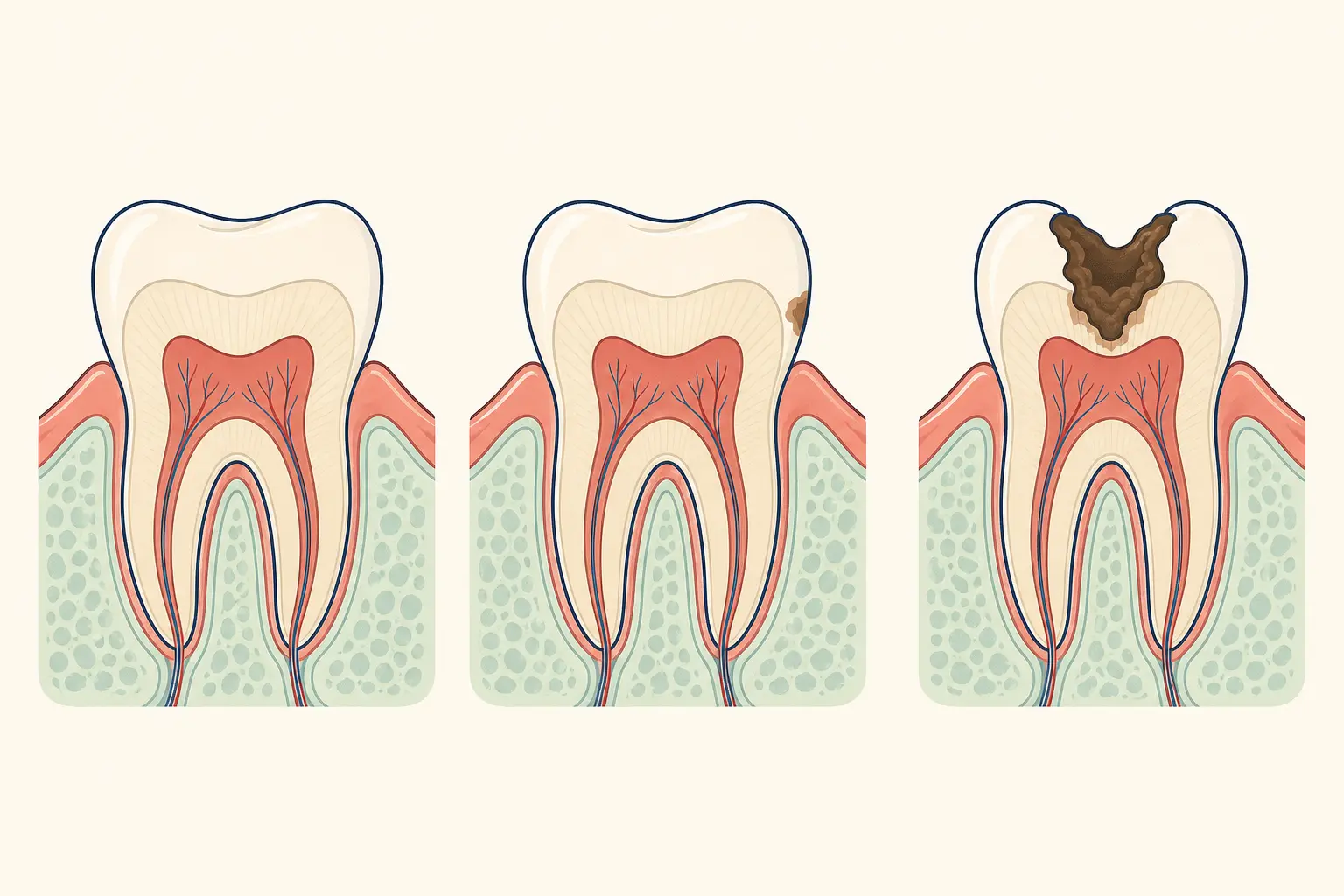
A dental abscess may need drainage, removal of infected pulp, extraction, and sometimes a prescribed antimicrobial when clinical findings justify it. Pain relief can reduce symptoms but does not remove pus, decay, or the source of infection.
What is the direct answer?
What does this question mean?
It may involve the gum beside one tooth, the cheek, the floor of the mouth, or a salivary gland. The dentist checks the tooth, gum, mucosa, lymph nodes, and bite, and may take an X-ray to identify the cause.
What can you do next?
Keep brushing carefully around the area, choose soft foods, and follow label directions for any suitable pain medicine. Do not use leftover antibiotics or apply caustic chemicals to the tissue.
When should you seek dental care?
Go to emergency care for trouble breathing or swallowing, swelling under the tongue, a muffled voice, severe weakness, or swelling extending into the face or neck. Dental treatment is needed even if medicine temporarily reduces pain.
What should you ask the dentist?
Ask whether a tooth, gum pocket, salivary gland, or injury explains the swelling, whether imaging is needed, and what procedure will remove the source.
Frequently asked questions
Could this be a dental abscess?
Ask whether a tooth, gum pocket, salivary gland, or injury explains the swelling, whether imaging is needed, and what procedure will remove the source.
What happens during the dental assessment?
Go to emergency care for trouble breathing or swallowing, swelling under the tongue, a muffled voice, severe weakness, or swelling extending into the face or neck. Dental treatment is needed even if medicine temporarily reduces pain.