
Nangingilo na ngipin home remedy
Cold, sweet, or acidic foods can trigger sensitive teeth when dentine is exposed, but the cause needs treatment if it persists.
The short answer
Tooth sensitivity is a brief sharp response from exposed dentine, the porous layer beneath enamel. Receding gums, enamel wear, decay, cracks, or recent dental treatment can expose dentine tubules and transmit temperature or chemical changes toward the pulp.
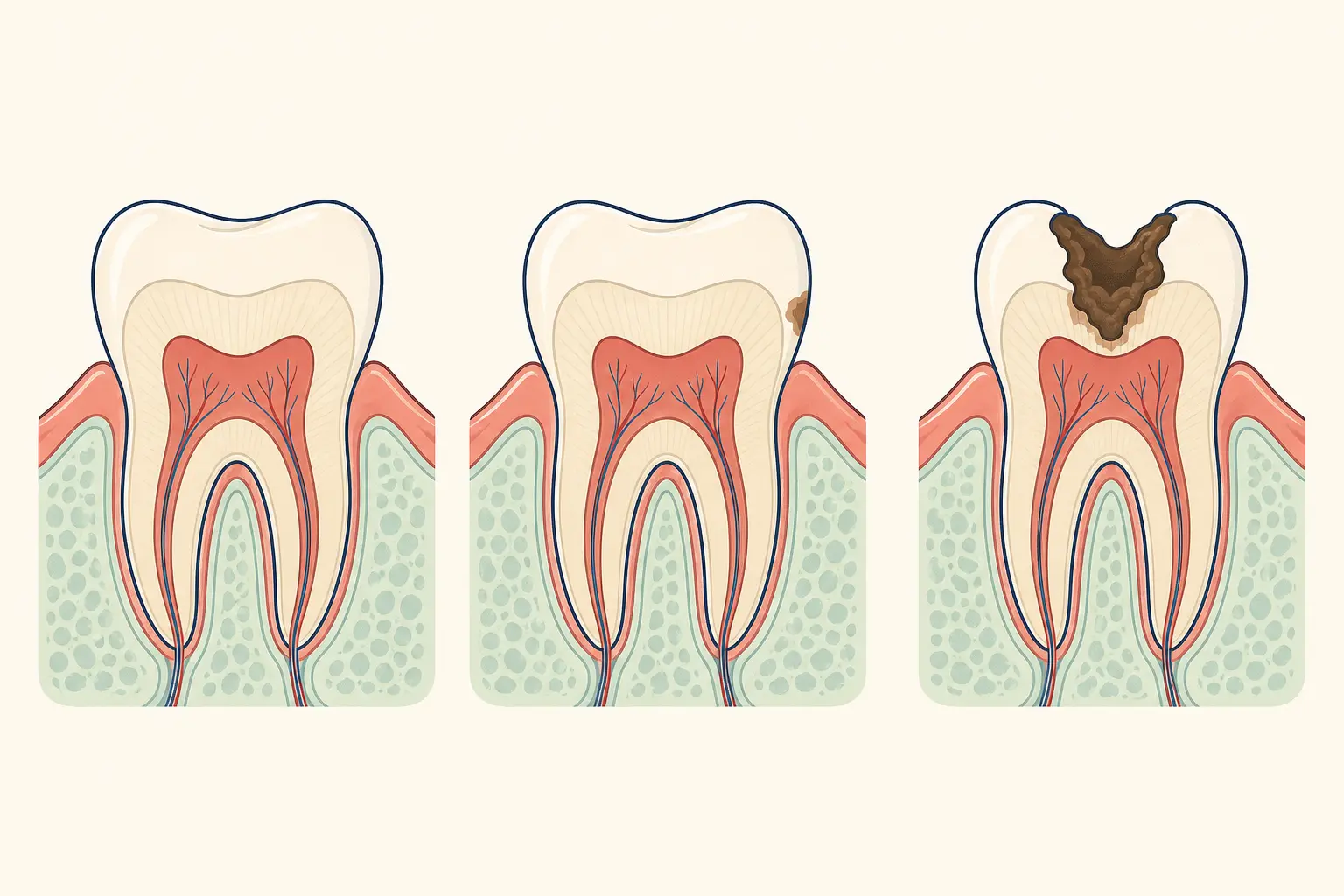
What is the direct answer?
What does this question mean?
Use a soft toothbrush and fluoride toothpaste, brush gently, and avoid very acidic foods for now. Do not place aspirin, lemon, or other household substances on the tooth; a dentist may apply fluoride or desensitising material after checking for decay, a crack, or gum recession.
What can you do next?
Arrange an examination if sensitivity lasts, occurs without a clear trigger, affects one tooth, or comes with pain on biting, swelling, or a visible hole. Facial swelling, fever, difficulty swallowing, or difficulty breathing needs urgent dental care.
When should you seek dental care?
Ask whether the sensitivity comes from exposed dentine, decay, a crack, gum recession, or the pulp. Ask which fluoride treatment, brushing method, and restorative treatment fit the tooth.
What should you ask the dentist?
Sensitive teeth
Frequently asked questions
What is the first practical step?
Use the page-specific care measure and arrange an examination if the symptom persists or worsens.
Can home care replace an examination?
No. Home care may reduce irritation, but it cannot diagnose or repair decay, cracks, infection, or gum disease.