
Natural way to whiten teeth
Natural-looking whitening starts with plaque control and stain reduction, while peroxide treatment changes suitable natural tooth colour.
The short answer
The safest practical natural approach is consistent brushing with fluoride toothpaste, interdental cleaning, and professional removal of plaque or calculus; foods and household acids cannot reliably bleach enamel. If the shade remains, a dentist can assess clinical whitening options.
What is the direct answer?
What does this question mean?
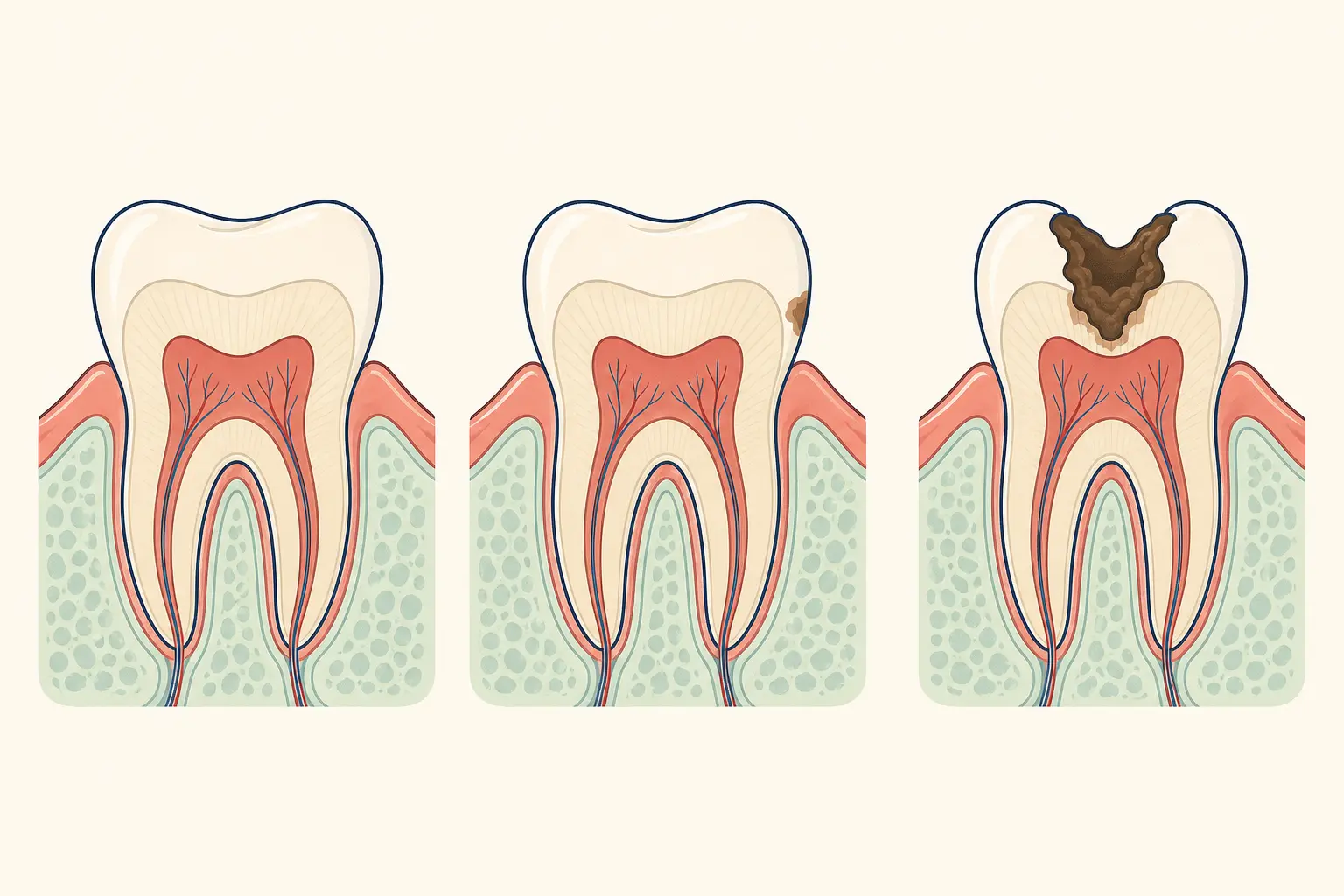
Natural whitening usually means making teeth look cleaner without veneers or aggressive home mixtures. The visible shade reflects enamel, underlying dentine, surface deposits, previous injury, decay, and restorations.
What can you do next?
Brush gently at the gumline, clean between teeth, drink water after staining foods or drinks, and avoid tobacco. Do not rub teeth with acids, charcoal, or abrasive powders, and have persistent deposits removed professionally.
When should you seek dental care?
Seek an examination for a sudden colour change, one dark tooth, surface grooves, sensitivity, pain, or bleeding gums. These signs can reflect disease or injury rather than a cosmetic shade issue.
What should you ask the dentist?
Ask what is causing the colour and whether cleaning, whitening, repair, or treatment of decay is appropriate. Ask how existing fillings, crowns, and veneers will appear after any change to natural teeth.
Frequently asked questions
Does coconut oil whiten teeth?
Swishing oil does not replace brushing, interdental cleaning, or professional stain removal, and persistent colour needs diagnosis.
Can fruit whiten teeth?
Fruit acids may make enamel look temporarily different but can contribute to erosion; they are not a controlled whitening treatment.