
Over the counter tooth ache
Non-prescription pain relief may reduce toothache temporarily, but it does not repair the dental cause or replace an examination.
The short answer
Non-prescription pain relief may reduce toothache temporarily, but it does not repair the dental cause or replace an examination. Use only a medicine suitable for your age, health conditions, allergies, and other medicines, following the package directions.
What is the direct answer?
What does this question mean?
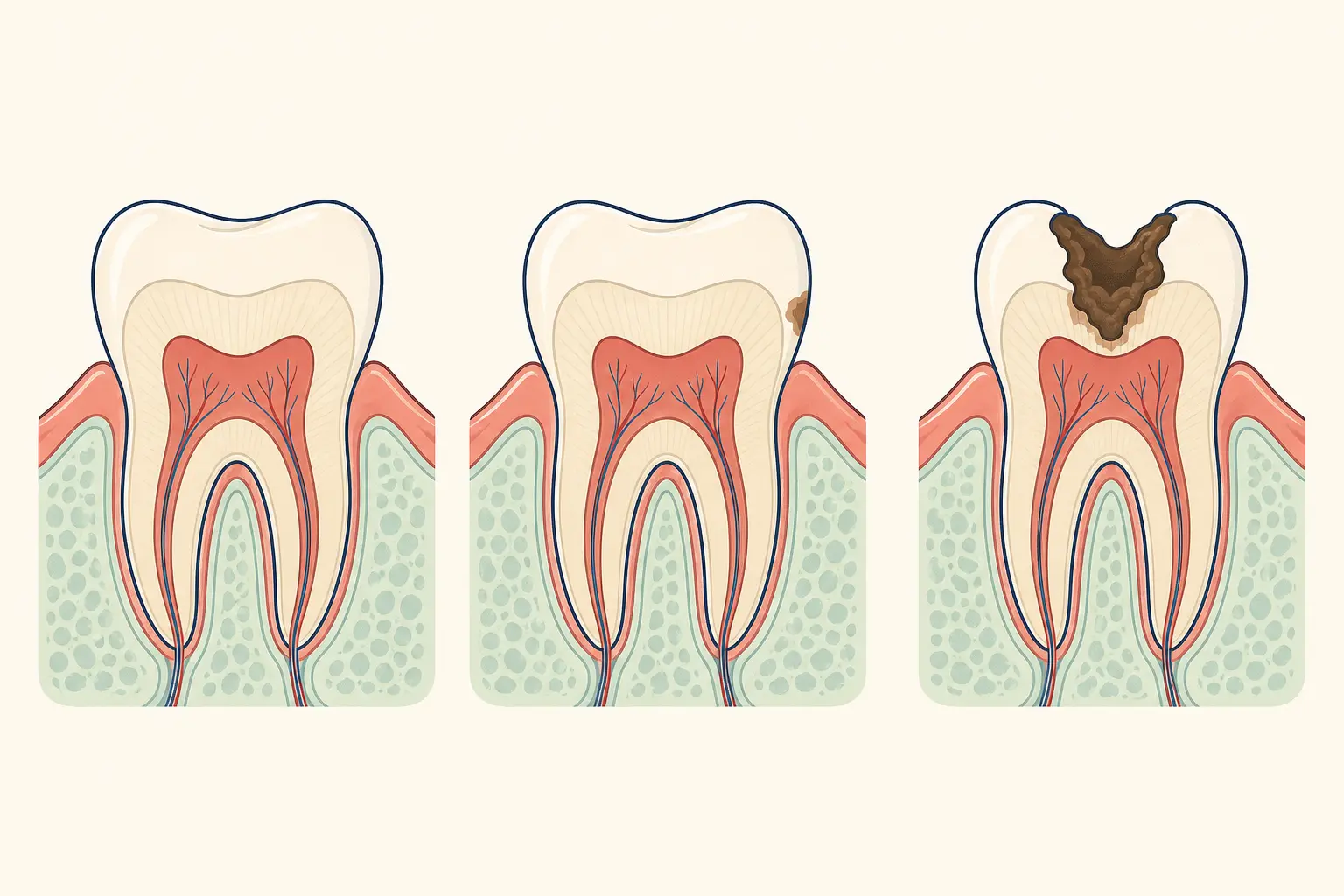
Toothache can arise from decay, an inflamed pulp, a crack, a loose filling, exposed dentine, gum disease, or an abscess. Pharmacy pain medicines act on pain and inflammation pathways, while dental treatment addresses the damaged tooth or infected supporting tissue.
What can you do next?
Keep the area clean, rinse gently with water, avoid very hot or cold foods, and chew on the opposite side. Do not place aspirin or tablets on the gum, and do not use leftover antibiotics because they do not remove decay or drain a dental abscess.
When should you seek dental care?
Arrange dental care when pain persists, returns after medicine wears off, hurts on biting, or comes with a bad taste, swelling, or fever. Facial swelling or difficulty breathing, swallowing, or opening the mouth requires urgent assessment.
What should you ask the dentist?
Ask what structure is causing the pain and whether you need an examination, pulp testing, or a radiograph. Ask whether the tooth needs a filling, crown, root canal treatment, extraction, drainage, or gum treatment.
Frequently asked questions
Can pharmacy medicine cure toothache?
It can reduce pain for a time, but it does not repair a cavity, cracked tooth, inflamed pulp, or dental abscess.
Can I take any pain medicine for a toothache?
The suitable medicine depends on your health, allergies, age, pregnancy status, and other medicines, so follow the label and ask a pharmacist when unsure.