
Reduce swelling inside mouth
Mouth swelling may come from trauma, a blocked gland, gum disease, or dental infection; relief depends on its cause.
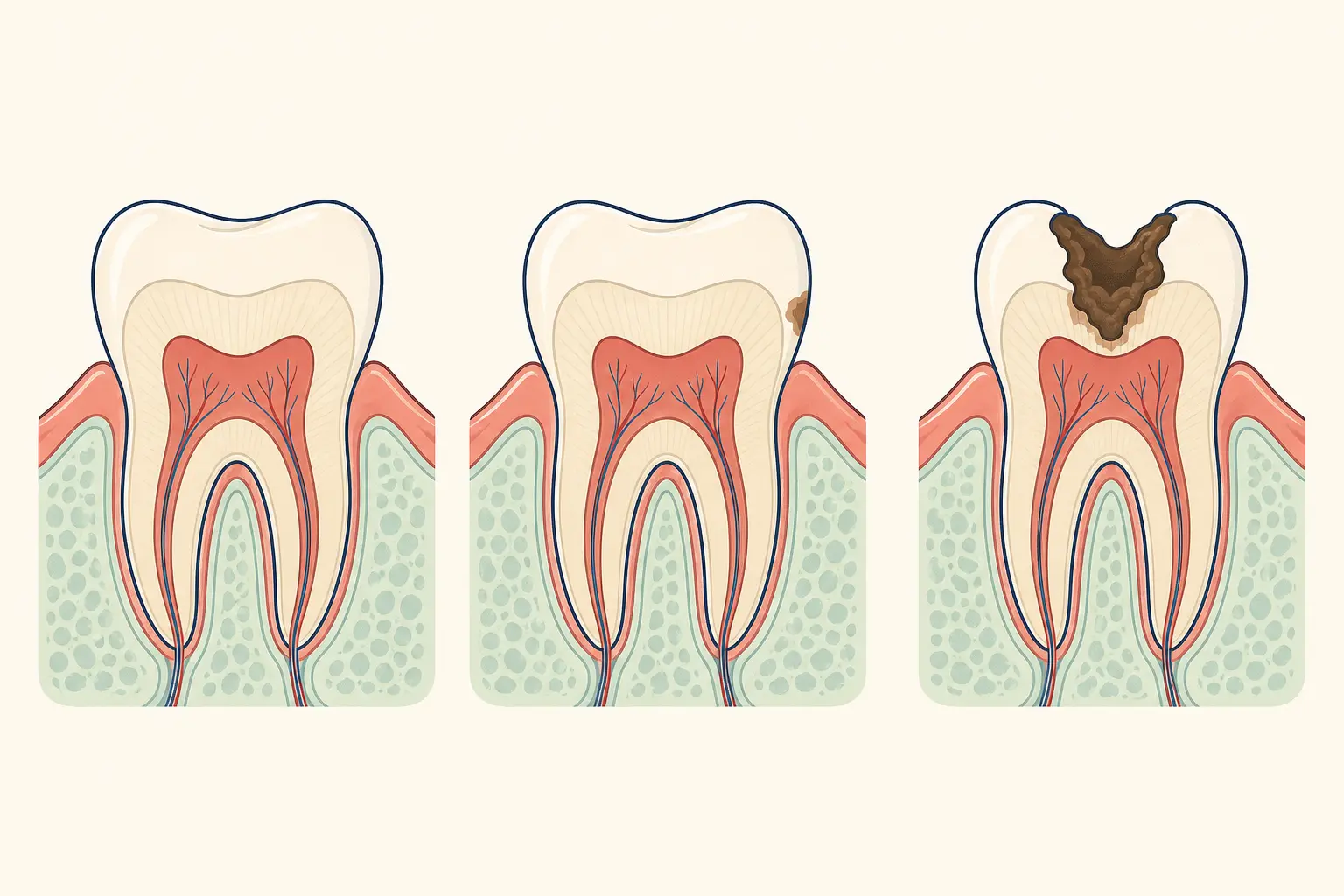
What is the direct answer?
Mouth swelling may come from trauma, a blocked gland, gum disease, or dental infection; relief depends on its cause.
What does this question mean?
Swelling is fluid and immune-cell buildup in oral tissue. A lump beside a tooth differs from swelling under the tongue, inside the cheek, or near a salivary-gland opening, so location and onset guide diagnosis.
What can you do next?
Rinse gently with salt water if it is comfortable, drink water, avoid heat and irritating foods, and use a cold pack outside the cheek. Do not lance the area or place caustic substances on it; a clinician may examine the tooth, gum, salivary duct, or soft tissue.
When should you seek dental care?
Get prompt dental assessment when swelling lasts, grows, recurs, or is painful. Fever, facial or neck spread, difficulty breathing or swallowing, drooling, or inability to open the mouth needs emergency care.
What should you ask the dentist?
Ask where the swelling originates, whether imaging or drainage is needed, and which treatment addresses the source instead of only reducing the visible lump.
Frequently asked questions
Can salt water remove mouth swelling?
A gentle rinse may soothe irritated tissue, but it cannot remove an abscess, blocked duct, or other underlying cause.
Should I put ice inside my mouth?
Use a wrapped cold pack outside the cheek for short intervals rather than placing ice directly on oral tissue.