
Swelling inside mouth near teeth
Swelling near a tooth can come from gum inflammation, an abscess, trauma, or a blocked salivary duct, and the cause needs examination.
The short answer
Swelling inside the mouth near a tooth can be caused by inflamed gum, a dental abscess, trauma, or less commonly another oral lesion, so its location and associated symptoms guide the examination.
What is the direct answer?
What does this question mean?
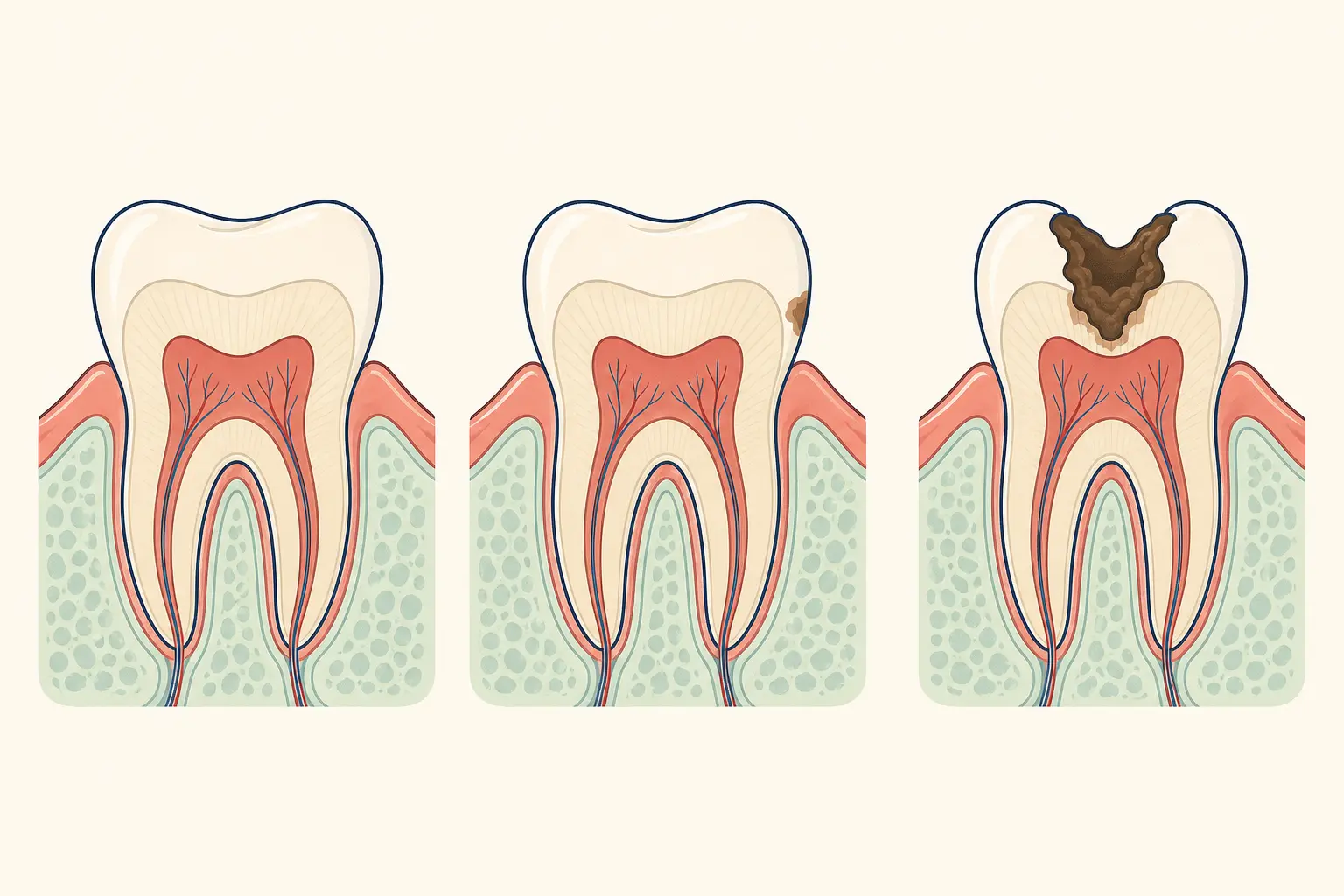
A localized swelling beside a tooth often reflects inflamed gum tissue or an abscess from the pulp or tissues around the root. Swelling on the cheek side, palate, tongue side, or under the tongue gives useful anatomical clues. The dentist checks the tooth, gum pocket, bite, nearby mucosa, and lymph nodes, and may use dental imaging.
What can you do next?
An abscess is a collection of inflammatory fluid or pus associated with infection. Other causes include food trapped under the gum, a blocked minor salivary gland, a bite injury, a sharp tooth edge, or a cyst-like lesion. Pain on biting, temperature sensitivity, pus, fever, or a bad taste makes a tooth-related infection more concerning.
When should you seek dental care?
Do not squeeze or pierce the swelling. Keep brushing gently, rinse with lukewarm salt water, avoid chewing on that side, and arrange dental care rather than relying on leftover antibiotics. Treatment may include removing decay, root canal treatment, drainage, gum treatment, or extraction, chosen after the source is identified.
What should you ask the dentist?
Get prompt dental care for increasing size, severe pain, fever, pus, facial swelling, or difficulty opening the mouth. Go to emergency care for trouble breathing or swallowing, swelling beneath the tongue, or rapidly spreading swelling. A lump that remains, ulcerates, bleeds, or changes over about two weeks needs an oral examination.
Frequently asked questions
Will an abscess disappear if it drains?
Drainage may reduce pressure, but the infection source can remain and requires dental treatment.
Should I take leftover antibiotics?
No. The correct treatment depends on the source, and antibiotics do not replace drainage or treatment of the tooth.