
Best tab for teeth pain
The right tablet depends on the cause, your health conditions, and other medicines, but tablets only reduce symptoms.
The short answer
A dental pain tablet is chosen by checking the pain source and the patient’s medical history, not by selecting a universally best brand.
What is the direct answer?
What does this question mean?
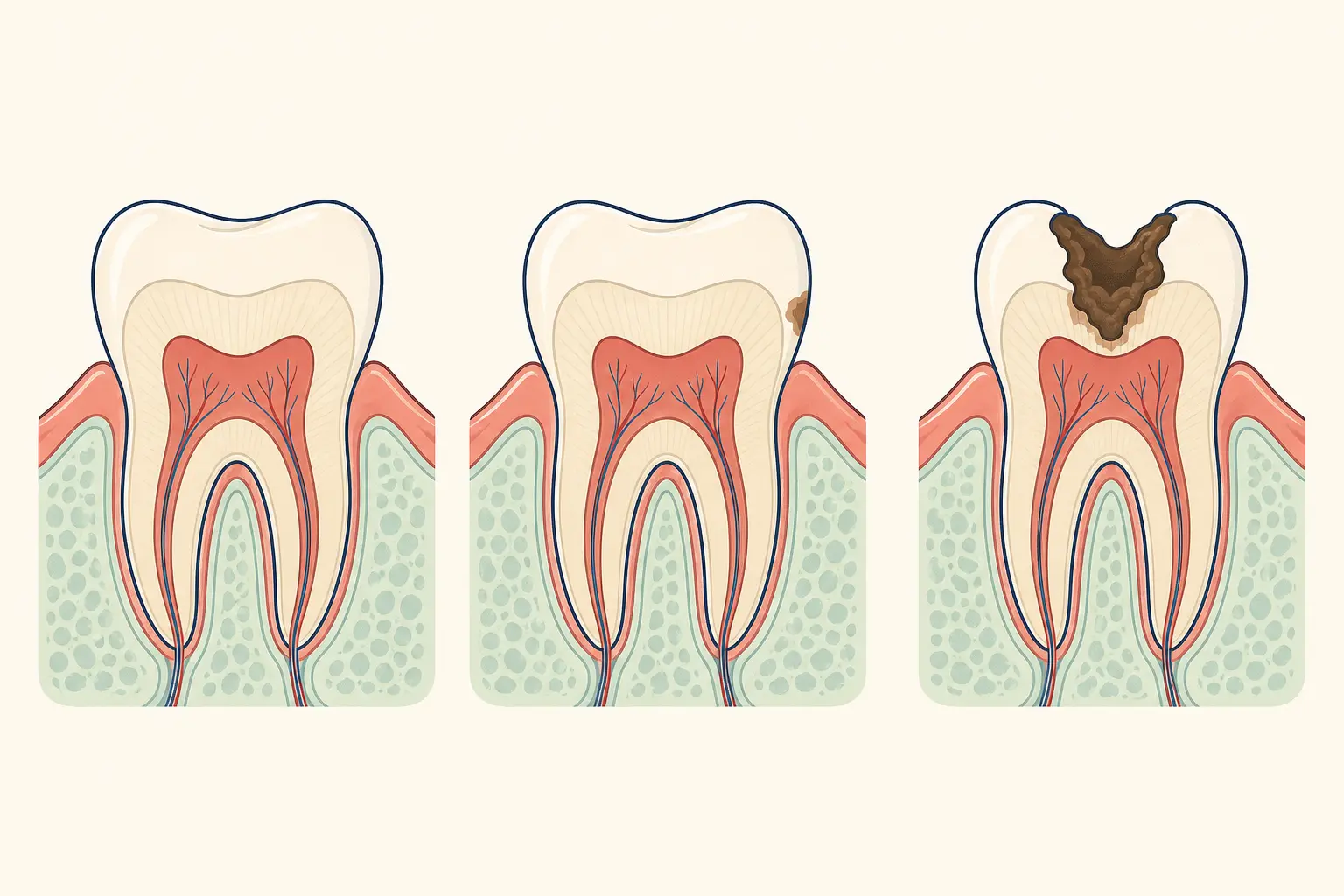
Tooth pain can arise from inflamed pulp, an abscess, a cracked tooth, exposed dentine, gum disease, or jaw muscles. Analgesics act on pain pathways, while dental treatment addresses the source, such as a filling, pulp treatment, drainage, extraction, or gum care.
What can you do next?
Follow the label of any non-prescription medicine and avoid combining products with the same active ingredient. Do not put aspirin or crushed tablets on the gum, because direct contact can burn mucosa; arrange an examination to identify the tooth and cause.
When should you seek dental care?
Seek prompt care for swelling, fever, pus, a bad taste, pain on biting, a broken tooth, or pain that interrupts sleep. Emergency assessment is needed for swelling that affects swallowing, breathing, or the eye.
What should you ask the dentist?
Ask which active ingredient is appropriate with your allergies, pregnancy status, stomach, kidney, liver, bleeding, and heart history. Ask what treatment is needed and how long you should use symptom relief while waiting.
Frequently asked questions
What is the main thing to remember?
A dental pain tablet is chosen by checking the pain source and the patient’s medical history, not by selecting a universally best brand.
Can home care replace an examination?
Home care can reduce irritation or symptoms, but it cannot diagnose or treat a hidden dental cause.