
Best toothbrush for gum recession
For gum recession, choose a soft-bristled brush with a compact head and use light pressure directed at the gumline rather than scrubbing exposed roots
The short answer
For gum recession, choose a soft-bristled brush with a compact head and use light pressure directed at the gumline rather than scrubbing exposed roots.
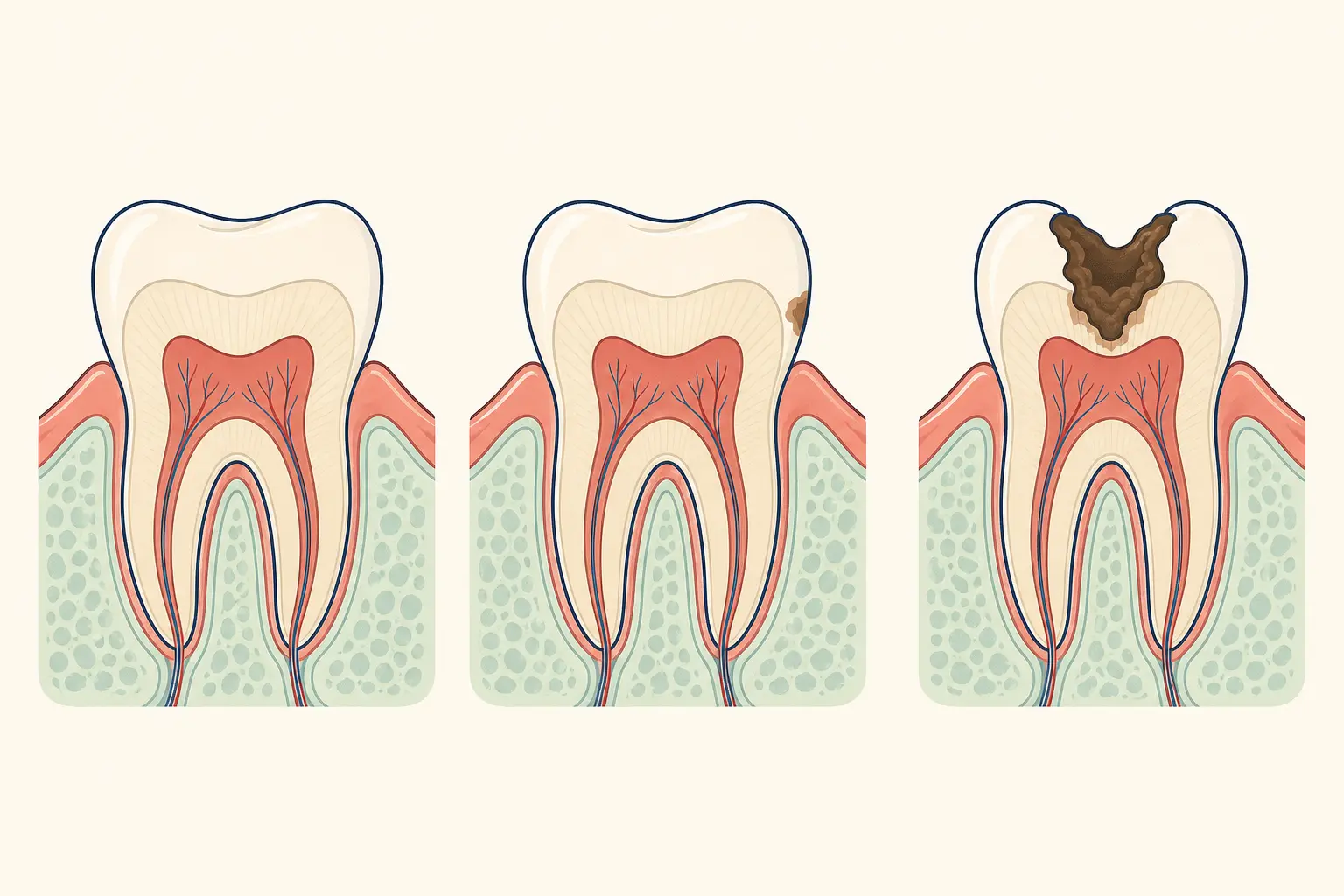
What is the direct answer?
What does this question mean?
Recession means the gum margin has moved toward the root, exposing cementum or root dentin. A soft brush removes plaque while limiting abrasion, but brushing technique, clenching, thin gum tissue, plaque, and a high frenum can also influence progression.
What can you do next?
Use a small amount of fluoride toothpaste and gentle short strokes at the gumline. An electric brush with a pressure sensor can help some people control force, but the handle, brand, and motion matter less than consistent plaque removal without aggressive horizontal scrubbing.
When should you seek dental care?
Book an examination for increasing root exposure, bleeding, swelling, loose teeth, persistent sensitivity, or a notch at the root. The dentist or periodontist may measure pocket depths, recession, plaque, bite forces, and tooth position before recommending desensitising treatment or gum surgery.
What should you ask the dentist?
Ask whether your recession is caused mainly by technique, inflammation, tooth position, or clenching; which brush and interdental cleaner fit your anatomy; and whether exposed root surfaces need fluoride, bonding, or periodontal treatment.
Frequently asked questions
Can this problem have more than one cause?
Recession means the gum margin has moved toward the root, exposing cementum or root dentin.
What happens at an examination?
The dentist or periodontist may measure pocket depths, recession, plaque, bite forces, and tooth position before recommending desensitising treatment or gum surgery