
Upper lip swelling allergy
Upper-lip swelling may be allergic, infectious, traumatic, or dental; sudden airway symptoms require emergency medical help.
The short answer
Upper-lip swelling can result from an allergic reaction, trauma, skin inflammation, dental infection, or another medical condition, so the timing and accompanying symptoms matter. Sudden swelling with wheezing, throat tightness, dizziness, or trouble swallowing is an emergency.
What is the direct answer?
What does this question mean?
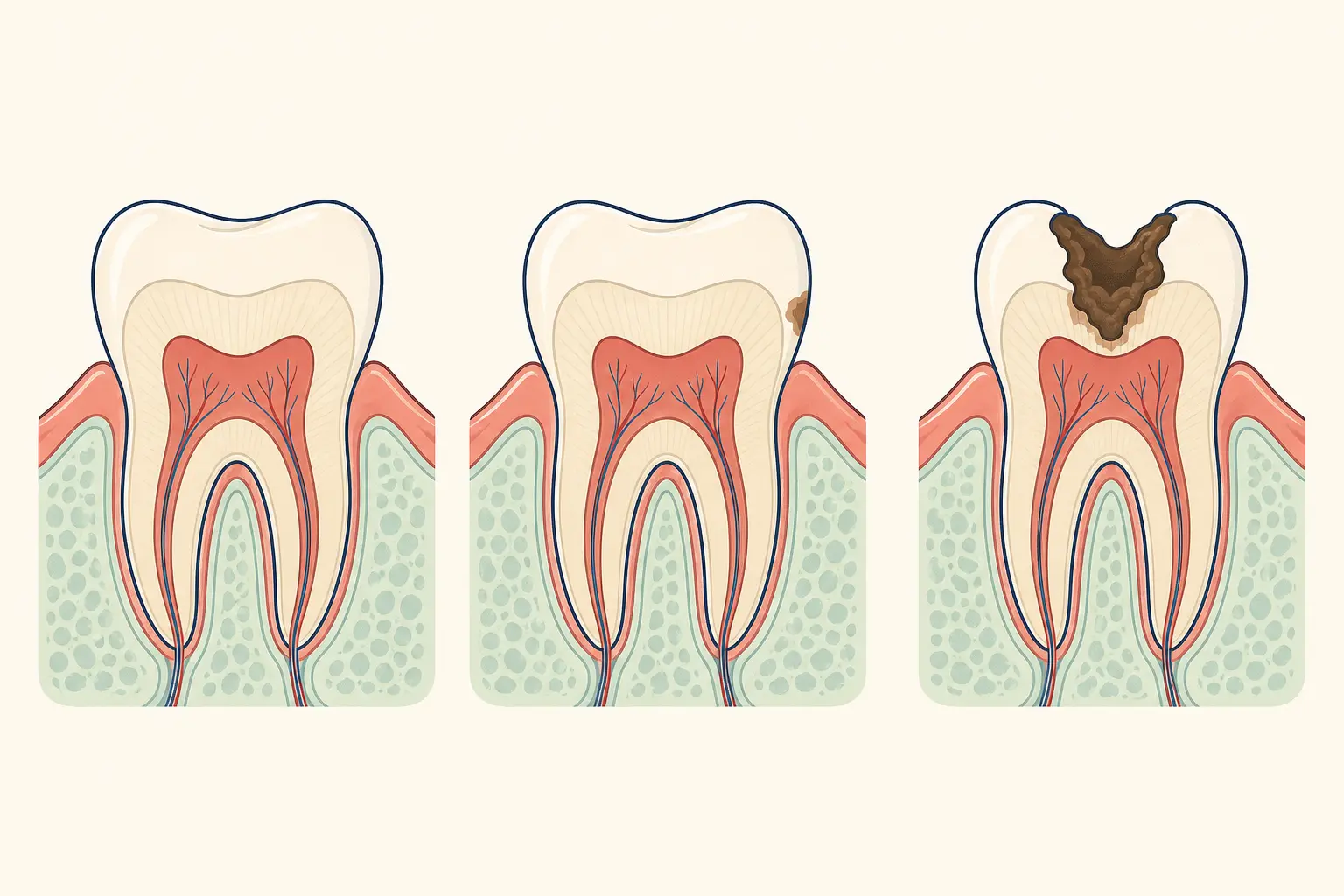
A dental abscess may swell the lip when infection spreads from a tooth or gum into nearby soft tissue. Allergy-related swelling often follows food, medicine, cosmetics, or an insect sting and may involve itching or swelling elsewhere.
What can you do next?
Stop a newly introduced product or food and note when the swelling began, but do not test the suspected trigger again. Use a cool compress externally and seek advice from a pharmacist or clinician before taking an antihistamine, especially for a child, pregnancy, or other medicines.
When should you seek dental care?
Get urgent medical help for breathing or swallowing difficulty, tongue or throat swelling, faintness, or rapidly spreading swelling. Arrange dental assessment when swelling accompanies tooth pain, a bad taste, fever, gum tenderness, or pain on biting.
What should you ask the dentist?
Ask whether a tooth, gum, recent procedure, or non-dental trigger explains the swelling, and whether examination or imaging is needed. Tell the clinician about new foods, medicines, cosmetics, stings, fever, and breathing symptoms.
Frequently asked questions
Can a tooth infection swell the upper lip?
Yes. Infection from an upper tooth or gum can extend into nearby tissues and cause lip or facial swelling.
Should I wait for allergic swelling to pass?
Do not wait if swelling is rapid or affects breathing, swallowing, the tongue, or throat; seek emergency help.