
Water flosser blood
Blood after using a water flosser can reflect inflamed gums, excessive pressure, or an existing oral problem that needs assessment.
The short answer
Blood after using a water flosser can reflect inflamed gums, excessive pressure, or an existing oral problem that needs assessment. Lower the device to its gentlest setting, aim along the gumline, and do not force the jet into tissue.
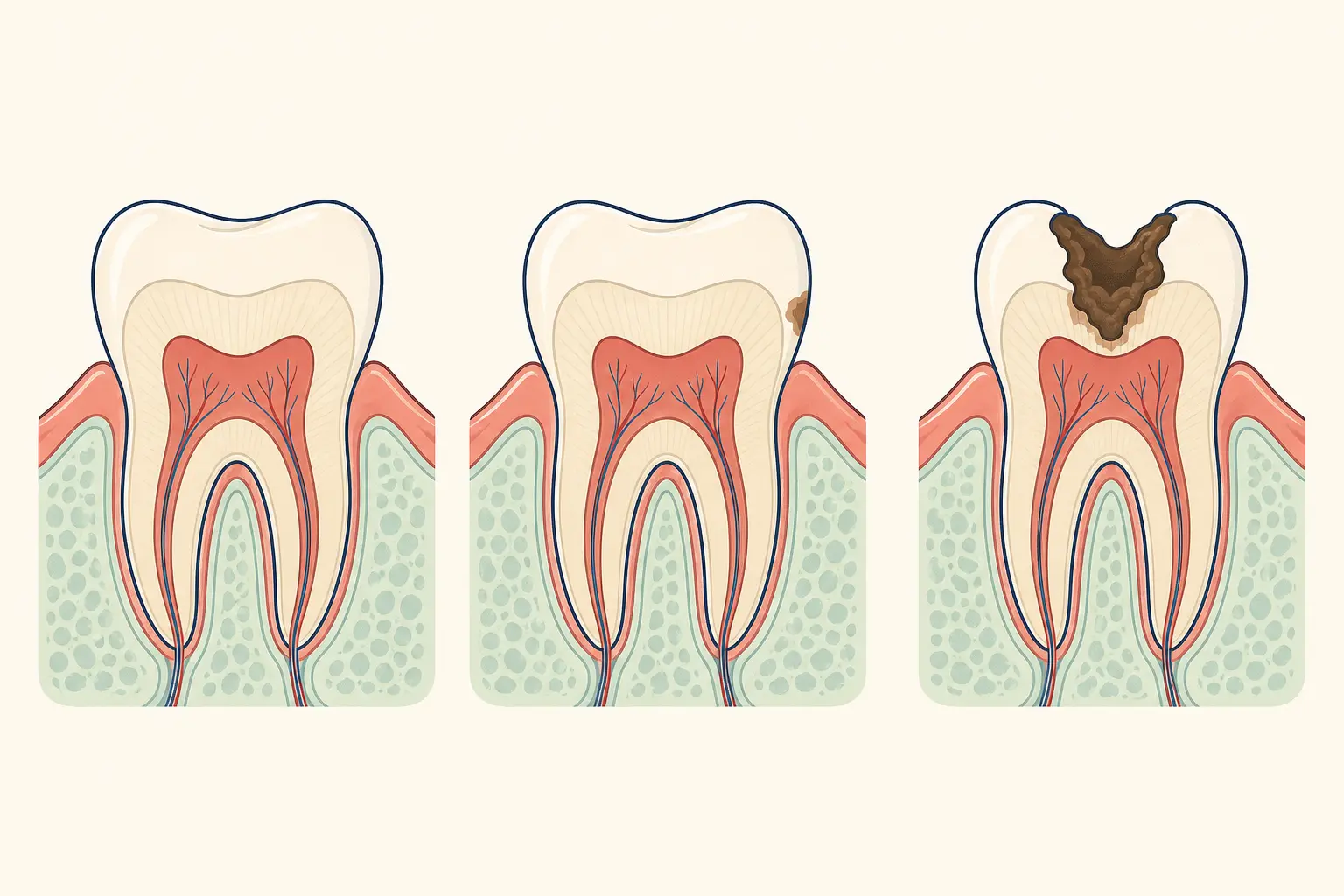
What is the direct answer?
What does this question mean?
A water flosser directs a pulsating stream between teeth and around the gum margin. Inflamed gingiva may bleed when plaque is disturbed, while a strong stream can traumatise tender tissue or expose bleeding from a pocket, ulcer, or recent procedure.
What can you do next?
Use lukewarm water, the lowest comfortable pressure, and a tip angle that follows the gumline rather than pointing directly into it. Clean the device as directed and continue gentle toothbrushing unless your dental team gave post-treatment instructions.
When should you seek dental care?
Arrange a dental examination if bleeding repeats, occurs without cleaning, or comes with swelling, pus, pain, loose teeth, or bad taste. Seek urgent help for bleeding that will not stop or major swelling after surgery or injury.
What should you ask the dentist?
Ask whether gum inflammation, calculus, a periodontal pocket, or a healing site explains the blood. Ask which tip, pressure, and cleaning pattern are appropriate around implants, braces, bridges, or sensitive roots.
Frequently asked questions
Should I stop using the water flosser?
Pause if it causes pain or heavy bleeding, then ask a dental professional to check the cause and technique.
Can a water flosser cure gum disease?
It can help clean difficult areas, but established gum disease may need professional assessment and treatment.