
Waterpik makes gums bleed
Bleeding while using an oral irrigator often reflects inflamed gums or excessive pressure, so adjust technique and assess persistent bleeding.
The short answer
An oral irrigator can make inflamed gums bleed, especially at high pressure; use a gentle setting and arrange an examination if bleeding continues.
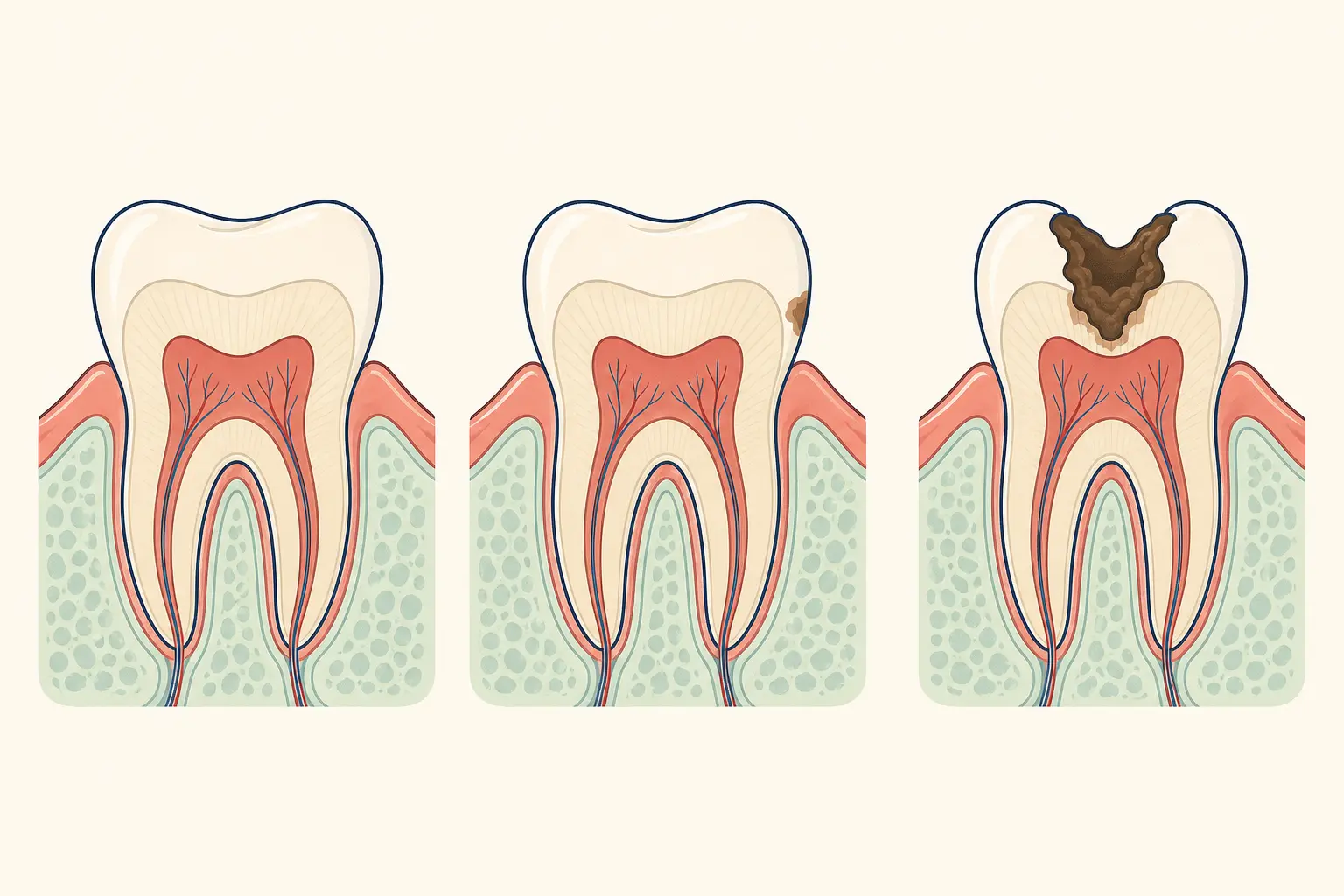
What is the direct answer?
What does this question mean?
The stream of pulsating water cleans between teeth and along the gingival margin. Bleeding commonly indicates gingival inflammation from plaque, while a jet held too close, a high setting, ulcerated tissue, or an underlying periodontal pocket can add trauma.
What can you do next?
Start on the lowest comfortable setting, keep the tip moving, and aim along the gumline rather than forcing it into tissue. Continue gentle toothbrushing and clean between teeth, then have a hygienist or dentist assess bleeding that does not improve.
When should you seek dental care?
Seek prompt care for spontaneous bleeding, pus, loose teeth, marked swelling, fever, or pain that limits eating. A dental examination is also appropriate when bleeding recurs despite gentle technique, since tartar, gingivitis, or periodontitis may need professional care.
What should you ask the dentist?
Ask whether the bleeding comes from gingivitis, periodontal pockets, an ulcer, or the irrigator technique. Ask which pressure and tip position suit your gum condition and whether a cleaning or periodontal measurements are indicated.
Frequently asked questions
Should I stop using the irrigator if it bleeds?
Lower the pressure and use gentle movement; stop and arrange an examination if bleeding is heavy, painful, or persistent.
Can an irrigator cure gum disease?
It can help remove debris, but established gum disease may require professional cleaning and treatment of periodontal pockets.