
Dental question about observed-topic:549e2019b
Dental care covers prevention, diagnosis, and treatment of the teeth, gums, jaw joints, and supporting tissues at every life stage.
The short answer
Dental care includes examination, prevention, and treatment for teeth, gums, the jaw, and supporting tissues, with the plan adapted to age and oral findings.
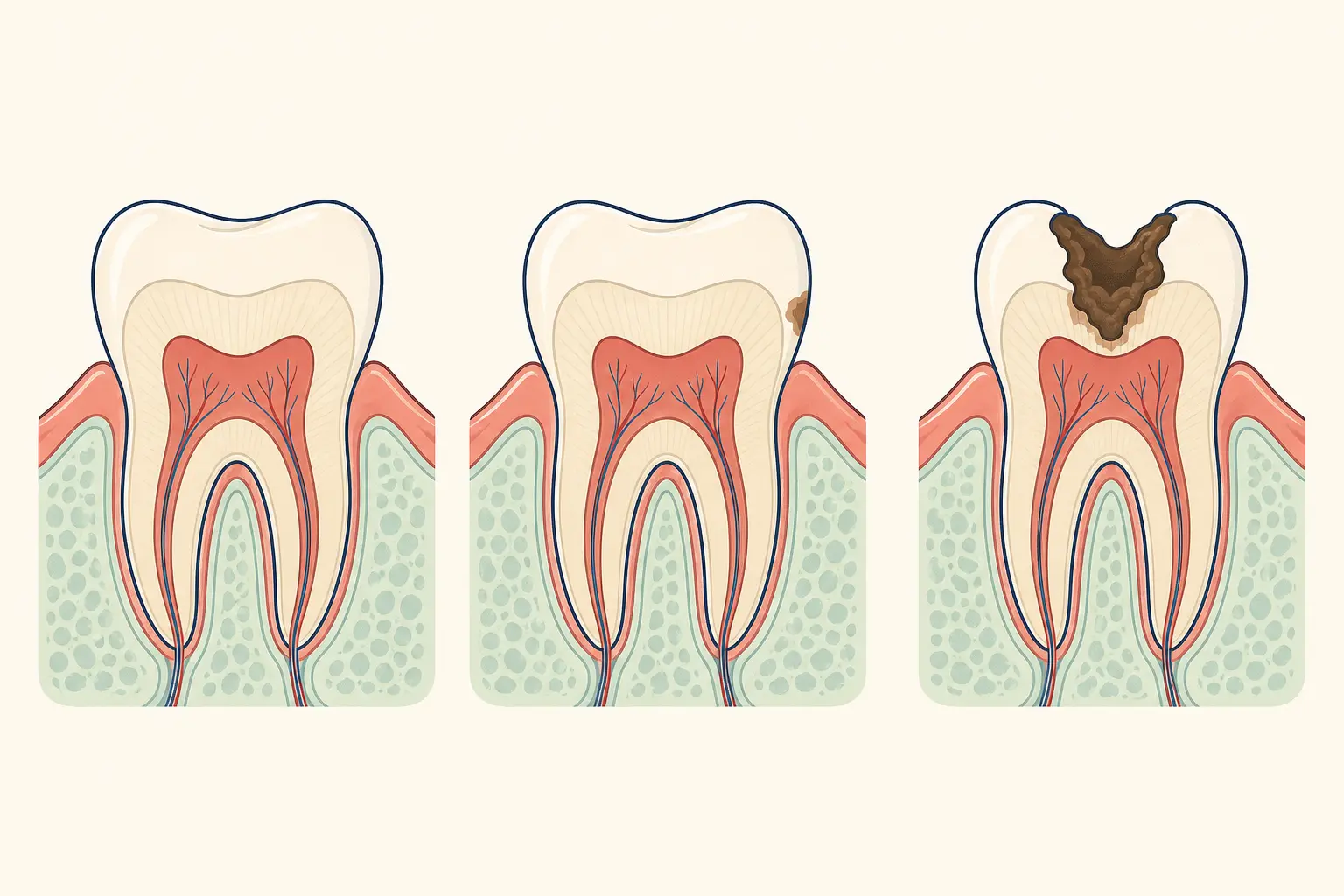
direct_answer
What does this question mean?
A dental visit is not limited to treating a painful tooth. It may include checking enamel, dentine, pulp, gums, bone, bite, oral soft tissues, jaw movement, and habits that affect oral health.
What can you do next?
Brush twice daily with fluoride toothpaste, clean between teeth, limit frequent sugar exposure, avoid tobacco, and arrange examinations based on your clinician's assessment. Bring a list of medicines and health conditions because they can affect dental treatment.
When should you seek dental care?
Arrange care for tooth pain, sensitivity, bleeding or swollen gums, a broken tooth, persistent mouth sores, bad breath with gum changes, or a change in the bite. Emergency assessment is needed for facial swelling or trouble breathing or swallowing.
What should you ask the dentist?
Ask what they found, which problem needs attention first, and what the treatment options are. Ask how to prevent recurrence, how often you need review, and how your medical history changes the plan.
Frequently asked questions
Can I wait if dental pain stops?
Pain can lessen while the underlying decay, crack, or infection remains, so a dental assessment is still appropriate.
What should I bring to an appointment?
Bring medicine details, relevant medical information, previous dental records when available, and a description of symptoms.