
Dental question about observed-topic:ebec4b756
A dental question about an unfamiliar oral symptom is best answered by identifying its exact location, duration, appearance, triggers, and effect on eatin.
The short answer
A dental question about an unfamiliar oral symptom is best answered by identifying its exact location, duration, appearance, triggers, and effect on eating or sleep before choosing treatment.
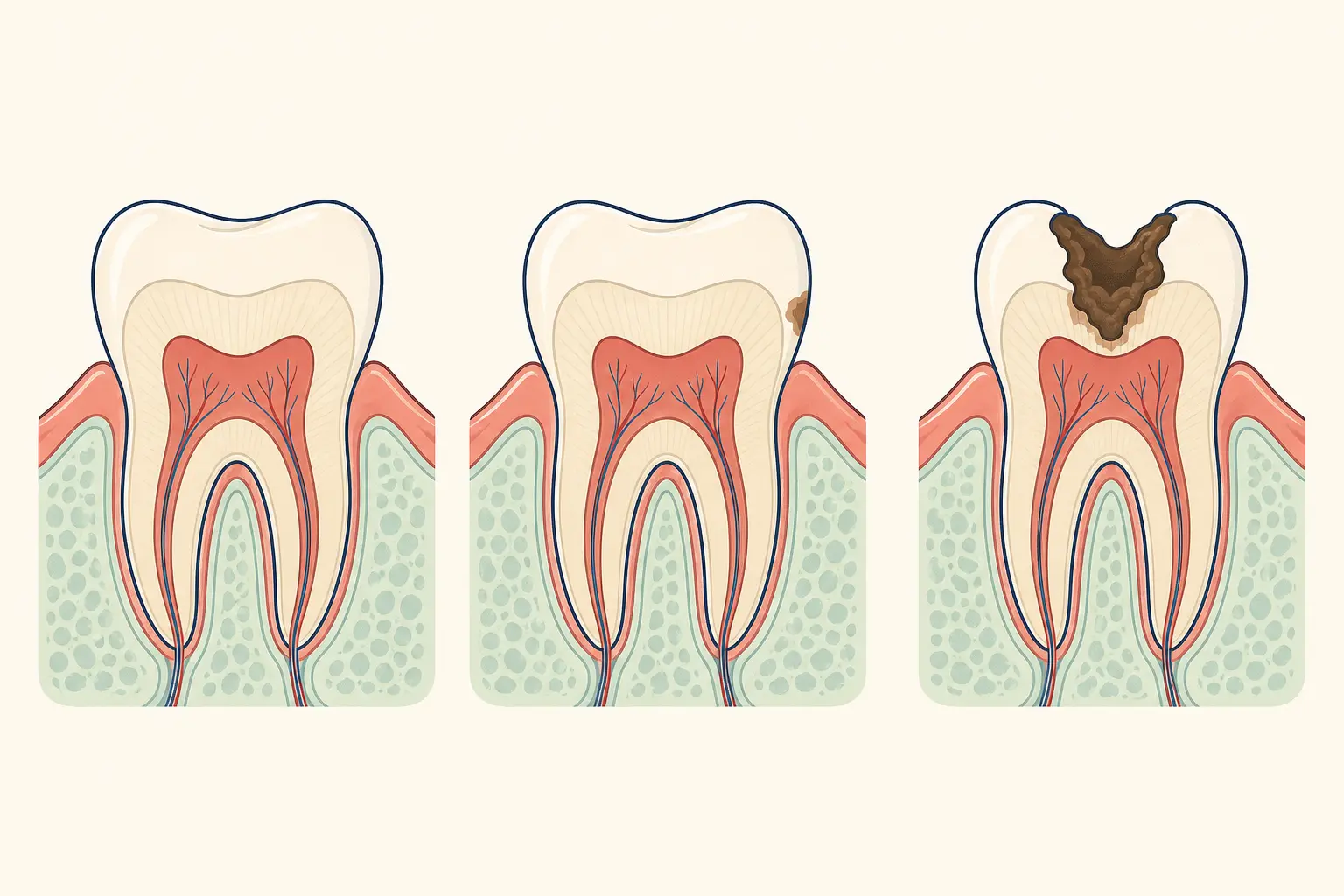
What is the direct answer?
What does this question mean?
Oral symptoms can arise from teeth, gums, tongue, jaw muscles, salivary glands, or the lining of the mouth, and similar sensations can have different causes.
What can you do next?
Record when it began, photograph visible changes in good light, avoid picking or applying irritants, and note medicines, recent dental work, injury, or illness.
When should you seek dental care?
Seek urgent care for breathing or swallowing difficulty, rapidly spreading swelling, uncontrolled bleeding, or a serious facial injury; arrange routine care for a persistent change.
What should you ask the dentist?
Ask what structure is affected, which examination or imaging is needed, what diagnoses are being considered, and what warning signs should prompt earlier review.
Frequently asked questions
Can an internet search diagnose an oral symptom?
No. It can suggest possibilities, but diagnosis requires a history and examination, and sometimes imaging or laboratory testing.
What information should I bring?
Bring a symptom timeline, medicine list, relevant medical history, photographs of changes, and details of recent dental treatment or injury.