
Dental question about observed-topic:ee5de4168
A dental concern is best assessed by its location, duration, symptoms, and effect on eating or daily function.
What is the direct answer?
A dental concern is best assessed by its location, duration, symptoms, and effect on eating or daily function.
What does this question mean?
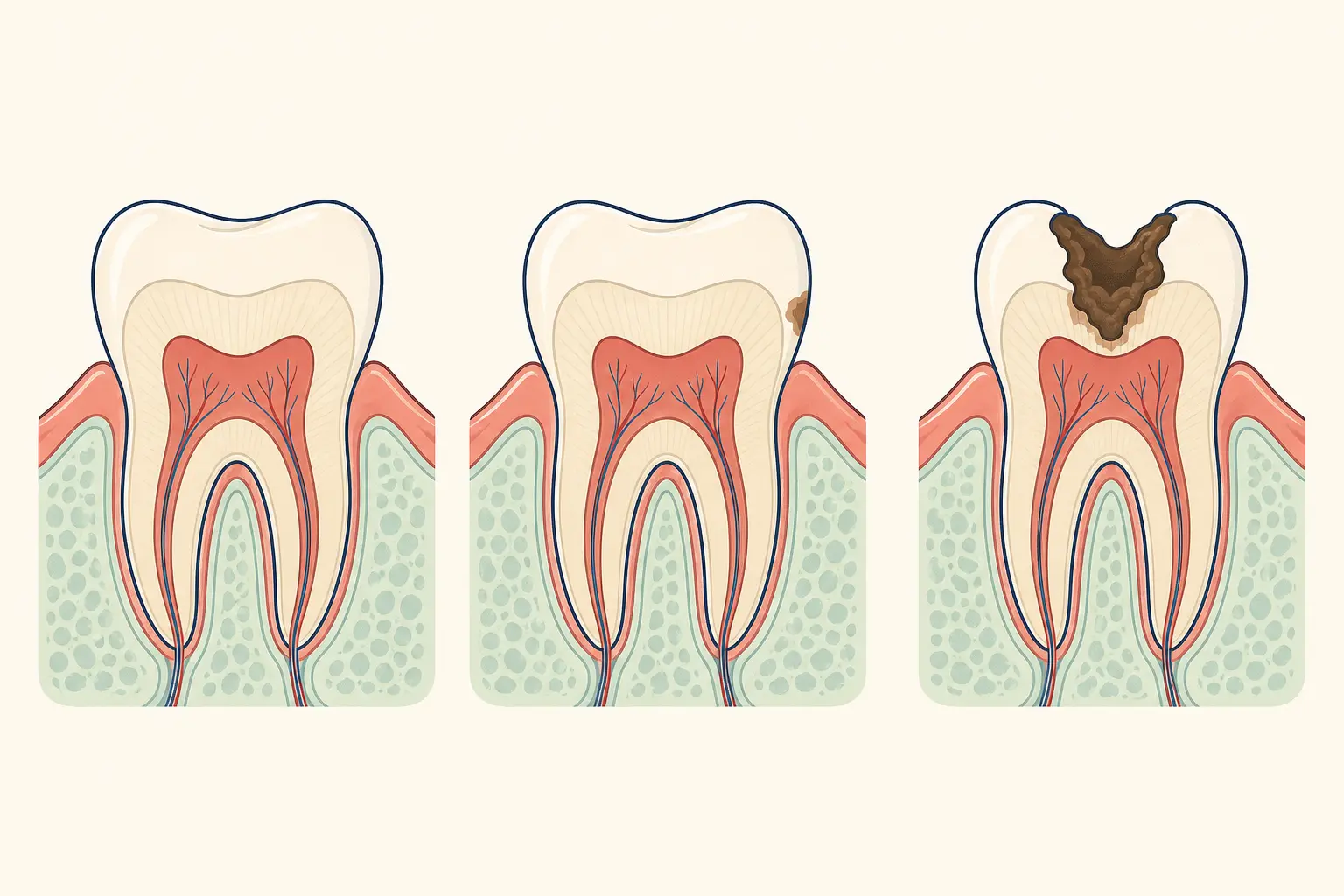
The relevant dental structures and mechanisms determine the likely explanation. A clinical history and examination separate similar-looking problems. For an unexplained dental concern, the clinician maps the symptom to the tooth or oral tissue involved.
What can you do next?
Write down the timing and triggers, keep the area clean, and avoid known irritants. Follow product directions and do not place unprescribed substances on oral tissue. For an unexplained dental concern, the clinician maps the symptom to the tooth or oral tissue involved.
When should you seek dental care?
Arrange an examination for persistent, worsening, recurrent, painful, swollen, bleeding, or function-limiting symptoms. Breathing or swallowing difficulty needs urgent care. For an unexplained dental concern, the clinician maps the symptom to the tooth or oral tissue involved.
What should you ask the dentist?
Ask which anatomy is involved, what examination or imaging is needed, what treatment is appropriate, and which changes should prompt review. For an unexplained dental concern, the clinician maps the symptom to the tooth or oral tissue involved.
Frequently asked questions
What is the first useful step?
Write down the timing and triggers, keep the area clean, and avoid known irritants. Follow product directions and do not place unprescribed substances on oral tissue. For an unexplained dental concern, the clinician maps the symptom to the tooth or oral tissue involved.
When should it be checked?
Arrange an examination for persistent, worsening, recurrent, painful, swollen, bleeding, or function-limiting symptoms. Breathing or swallowing difficulty needs urgent care. For an unexplained dental concern, the clinician maps the symptom to the tooth or oral tissue involved.