
My back right gum is swollen
Swelling behind a back tooth is often gum inflammation from plaque, trapped food, or a wisdom tooth, but an infection needs prompt care.
The short answer
A swollen gum behind a back tooth usually means the gum tissue is inflamed, often from plaque, trapped food, or a partially erupted wisdom tooth. Rinse gently with warm salt water, clean the area carefully, and arrange a dental examination if it persists, worsens, or comes with pain, fever, pus, or facial swelling.
What is the direct answer?
What does this question mean?
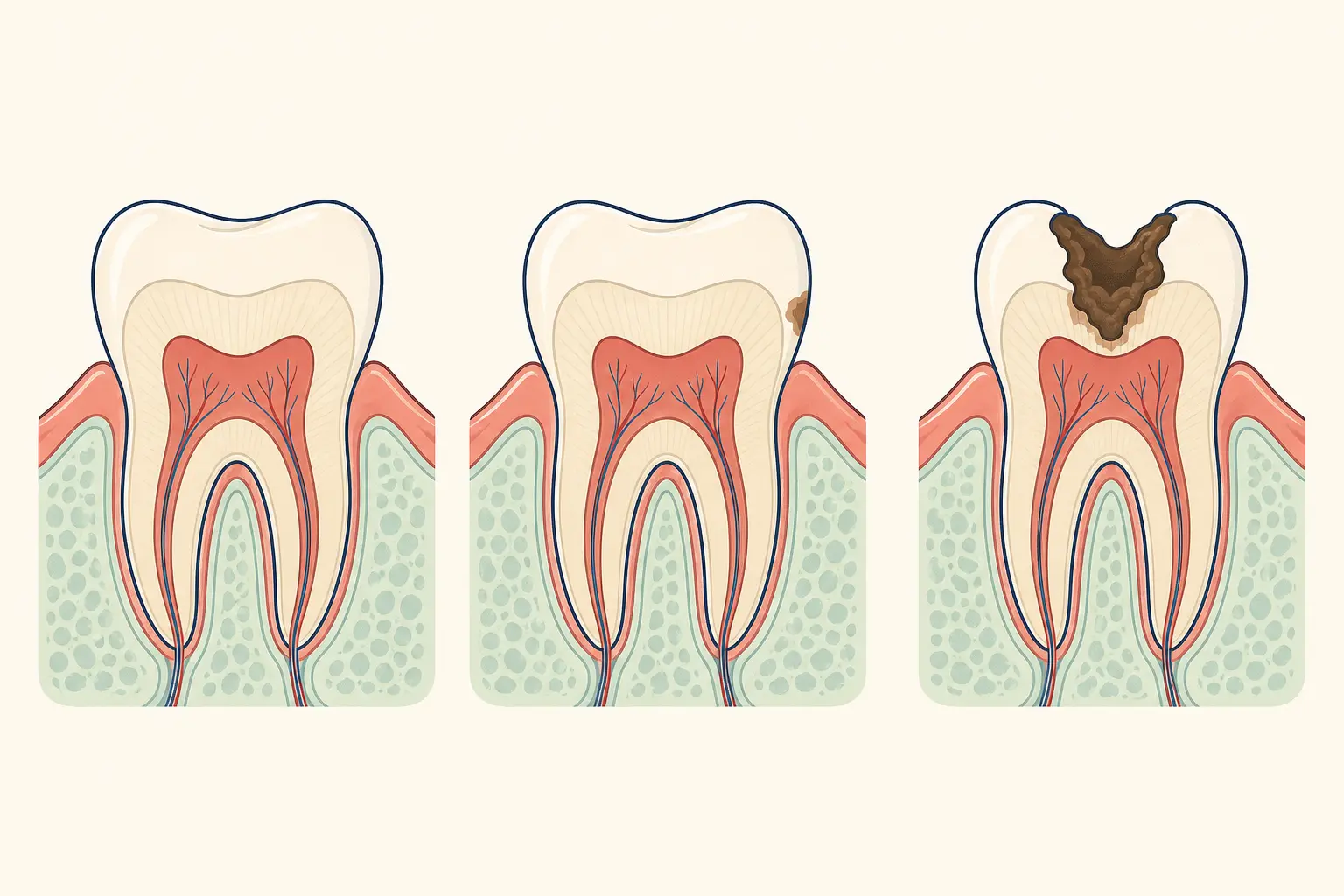
The back right gum may be the tissue around a molar or the flap over a wisdom tooth. Plaque and food can irritate the gum, while decay, a cracked tooth, a gum pocket, or inflammation around a partially erupted wisdom tooth can cause more localized swelling.
A dentist checks whether the swelling is limited to the gum or connected to the tooth root, jawbone, or nearby tissues. They may examine the gum, gently test the tooth, measure gum pockets, and take a dental X-ray when a hidden tooth, decay, bone change, or root infection is suspected.
What can you do next?
Brush the teeth around the swelling with a soft toothbrush and clean between them with floss or an interdental brush if it can be done without forcing the tool into the tissue. A gentle warm salt-water rinse can help clear irritants, but do not place aspirin, alcohol, or concentrated chemicals directly on the gum.
Choose soft foods, chew on the opposite side, and note when the swelling began, whether it bleeds, and whether a wisdom tooth is breaking through. Do not squeeze a lump or delay care by relying on temporary pain relief, because an abscess or trapped infection needs dental treatment rather than drainage at home.
When should you seek dental care?
Book a dental appointment promptly if the swelling lasts more than a short period, returns, or is associated with toothache, pain on biting, bad taste, pus, bleeding, difficulty opening the mouth, or a loose tooth. The dentist will treat the cause, which may involve professional cleaning, decay treatment, gum treatment, wisdom-tooth care, or drainage of an abscess.
Seek urgent medical or dental help if swelling spreads into the cheek, jaw, eye area, or neck, or if you have fever, feel very unwell, or have trouble swallowing, breathing, or opening your mouth. These signs can indicate that an infection is extending beyond the local gum and needs immediate assessment.
What should you ask the dentist?
Ask whether the swelling comes from the gum, the tooth, or a wisdom-tooth flap, and whether an X-ray is needed to examine the roots or an unerupted tooth. Ask what treatment will remove the cause and what changes would mean you need urgent follow-up.
Frequently asked questions
Can a swollen gum behind a molar go away by itself?
Mild irritation from trapped food may settle after careful cleaning, but recurring or persistent swelling can indicate gum disease, decay, or a wisdom-tooth problem and needs an examination.
Does swelling behind the last tooth mean I need a wisdom tooth removed?
Not always. The dentist considers the tooth position, available space, gum condition, symptoms, and X-ray findings before choosing cleaning, monitoring, restorative care, or removal.
What if the swollen area has a bad taste or pus?
A bad taste or pus can indicate an abscess or infected gum pocket, so arrange prompt dental care rather than trying to drain it yourself.