
Baking soda for teeth how to use
For routine care, use a fluoride toothpaste rather than brushing with loose baking soda; baking soda can remove some surface deposits but does not...
The short answer
For routine care, use a fluoride toothpaste rather than brushing with loose baking soda; baking soda can remove some surface deposits but does not prevent decay by itself.
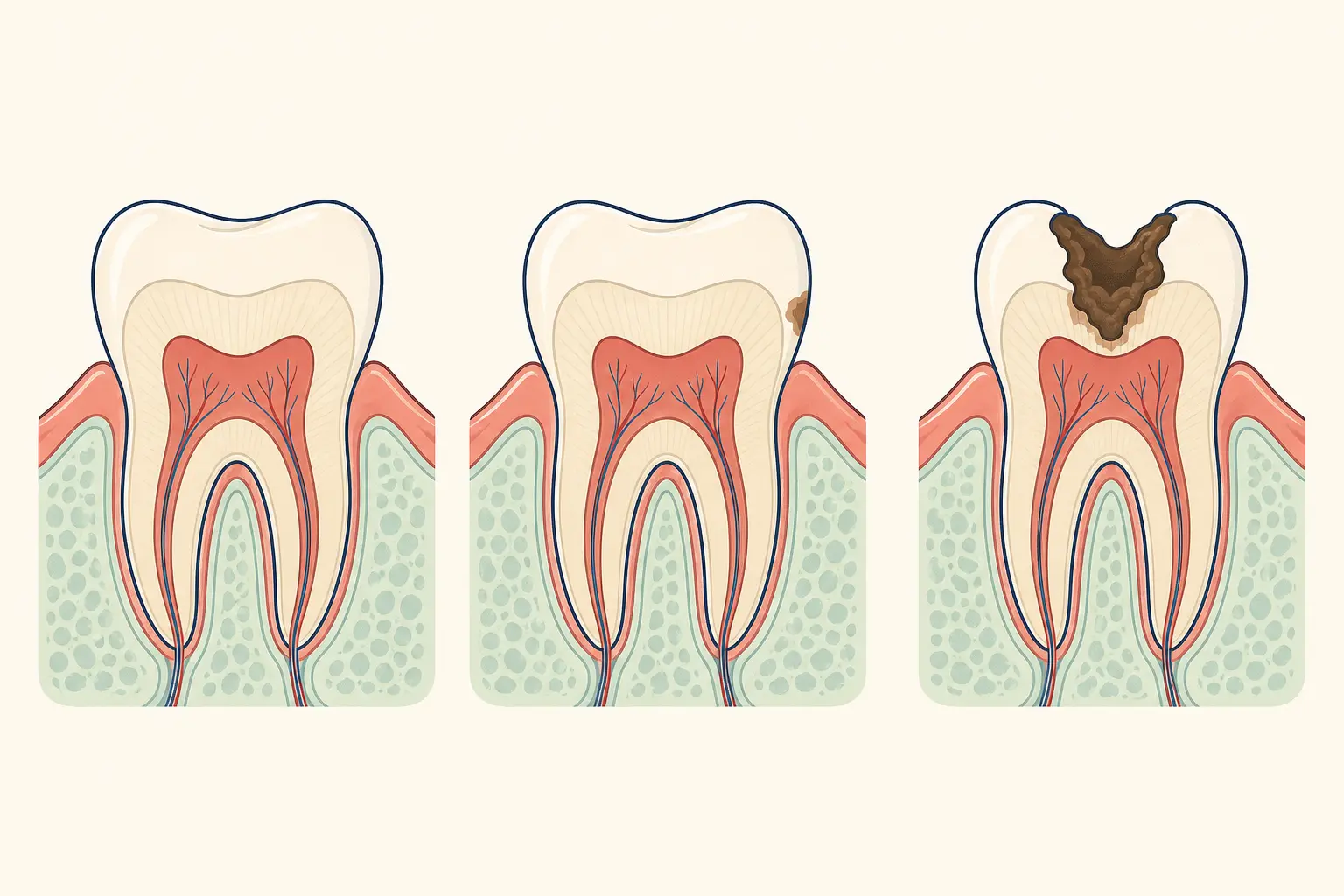
What is the direct answer?
What does this question mean?
Baking soda is sodium bicarbonate, an alkaline powder with mild cleaning action. It is not a bleaching agent for internal tooth colour, and loose powder has no controlled fluoride dose or standard brushing formulation.
What can you do next?
Choose a soft toothbrush, use a pea-sized amount of fluoride toothpaste, and brush gently at the gumline twice daily. If a toothpaste already contains baking soda, use it as labelled and do not add extra powder or scrub harder.
When should you seek dental care?
Seek care for sensitivity, enamel wear, gum recession, bleeding, pain, or stains that persist despite normal brushing. These findings may reflect decay, erosion, abrasion, or gum disease rather than a cleaning problem.
What should you ask the dentist?
Ask whether your toothpaste’s fluoride and abrasivity suit your teeth, and whether sensitivity or discoloration needs examination before whitening.
Frequently asked questions
Can home care fix the underlying problem?
Home care can protect tissue or reduce symptoms, but decay, infection, structural damage, and persistent lesions need diagnosis and treatment.
What information helps at an appointment?
Record when it started, what triggers it, whether it bleeds or swells, and any treatment or product already used.