
Bottom gum is swollen
Lower gum swelling can reflect plaque-related inflammation, irritation, an erupting tooth, or infection around a tooth.
The short answer
Swelling in the lower gum can result from plaque, trapped food, an erupting tooth, trauma, or infection, and persistent or painful swelling needs a dental examination.
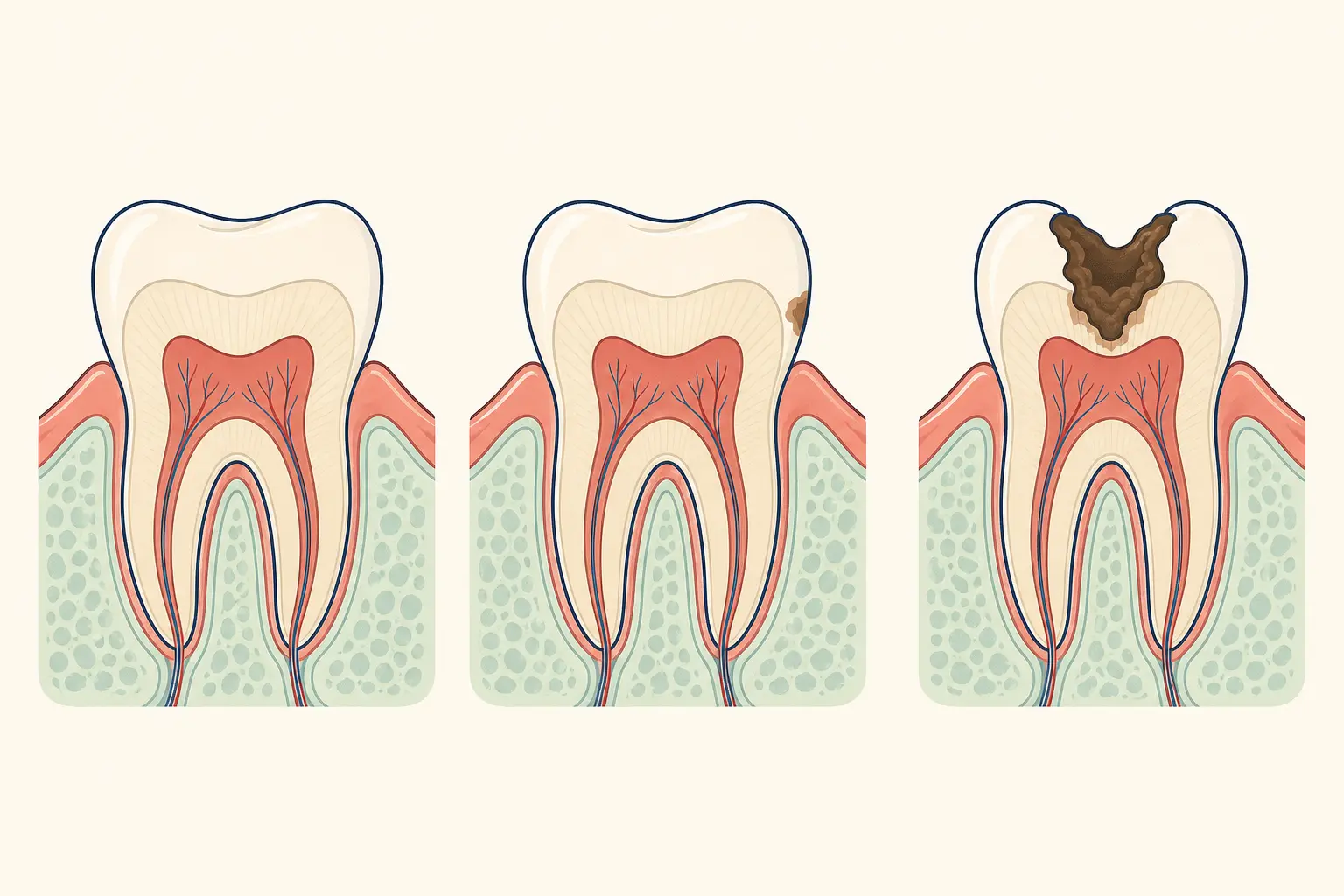
What is the direct answer?
What does this question mean?
The lower gingiva may enlarge when plaque irritates the gum margin, when a food particle is wedged between teeth, or when an erupting molar presses on tissue. Localized pain, pus, bad taste, fever, or pain on biting raises concern for a tooth-related infection.
What can you do next?
Clean gently with a soft brush and between-teeth aid, and rinse with warm salt water. Do not squeeze the area or use caustic substances; a dentist may remove deposits, flush a pocket, treat decay, or manage an erupting tooth after examination.
When should you seek dental care?
Book care if the swelling persists, recurs, bleeds, or affects chewing. Seek urgent medical help if it spreads into the face or neck, or interferes with breathing, swallowing, or opening the mouth.
What should you ask the dentist?
Ask whether the swelling is gum disease, irritation, an erupting tooth, or an abscess, and whether probing or an X-ray is needed. Ask how to clean the area and which symptoms mean the infection is spreading.
Frequently asked questions
Can an erupting wisdom tooth swell the gum?
Yes. Tissue over or beside a partly erupting tooth can become inflamed and trap food, but the tooth should be examined.
Is salt water enough for swollen gums?
It may soothe irritated tissue, but persistent swelling requires diagnosis and treatment of its cause.