
My gum behind my back tooth is swollen
Swelling behind a back tooth commonly involves an erupting wisdom tooth, trapped food, gum inflammation, or a local infection.
The short answer
Swelling behind a back tooth commonly involves an erupting wisdom tooth, trapped food, gum inflammation, or a local infection. A dentist checks the gum flap, tooth position, nearby molar, and surrounding tissues to identify the source.
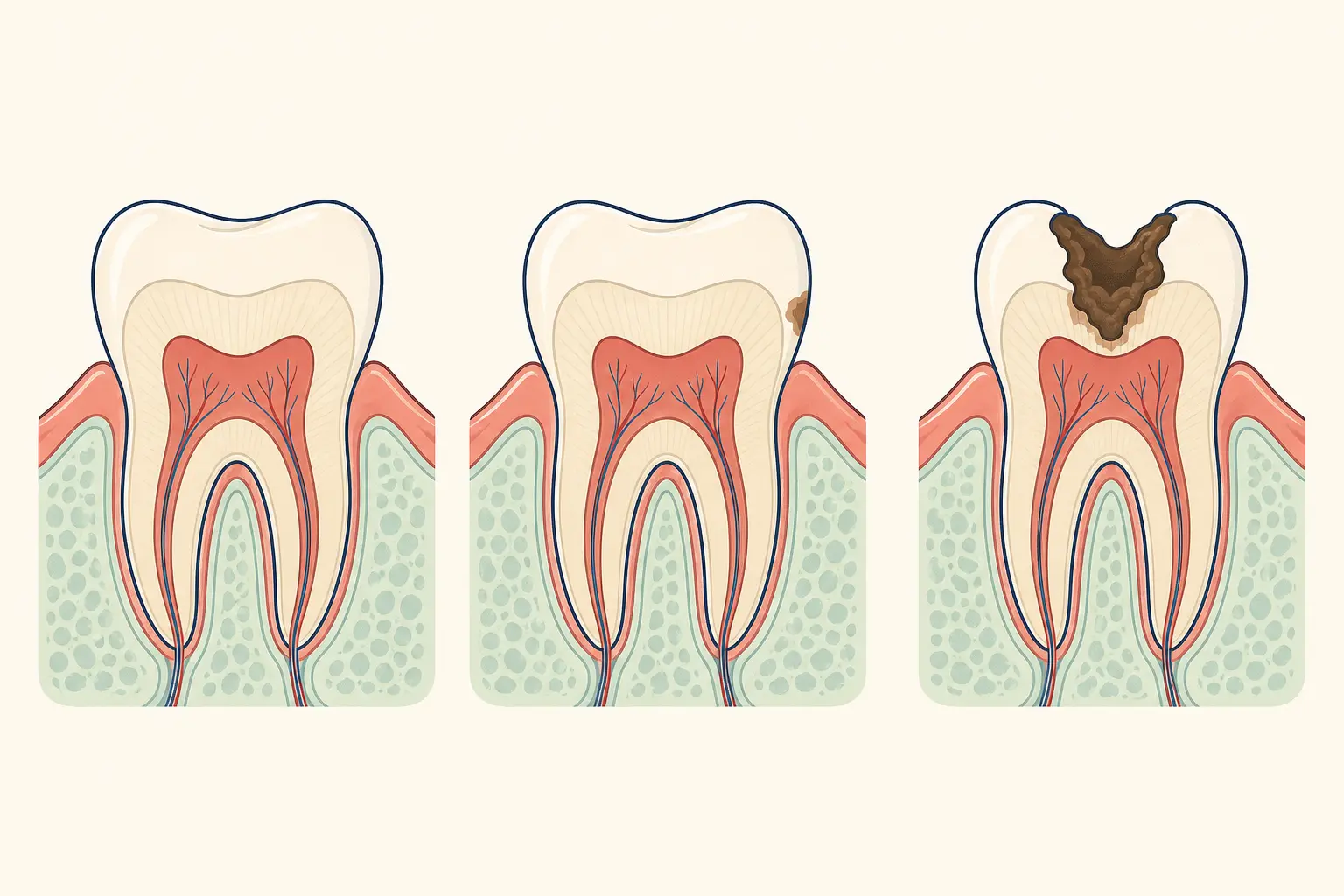
What is the direct answer?
What does this question mean?
The tissue behind the last molar is called the retromolar area; around a partly erupted wisdom tooth, a gum flap called an operculum can trap plaque and food. Swelling may also arise from a cavity, periodontal pocket, trauma from biting, or an abscess.
What can you do next?
Rinse gently with warm salt water, keep the area clean with a small soft brush, and choose softer foods temporarily. Do not cut the gum or try to drain it; treatment may include irrigation, cleaning, a filling, root canal treatment, extraction, or care for a wisdom tooth depending on findings.
When should you seek dental care?
Book an examination promptly when swelling lasts, returns, or makes chewing difficult. Facial swelling, fever, limited mouth opening, or difficulty swallowing or breathing needs urgent assessment.
What should you ask the dentist?
Ask whether the wisdom tooth is erupting normally and whether a radiograph is needed. Also ask if the adjacent molar has decay, whether the gum can be cleaned, and which treatment prevents another episode.
Frequently asked questions
Can a wisdom tooth cause swelling behind the molar?
Yes. A partly erupted wisdom tooth can leave a gum flap that traps bacteria and food.
Can I pop the swelling?
No. Manipulating it can injure tissue and spread irritation; have the area examined.