
My gum is hurting at the back
Pain at the back of the gums can come from plaque, an erupting wisdom tooth, trapped food, an ulcer, trauma, or infection around a tooth.
What is the direct answer?
Pain at the back of the gums can come from plaque, an erupting wisdom tooth, trapped food, an ulcer, trauma, or infection around a tooth.
What does this question mean?
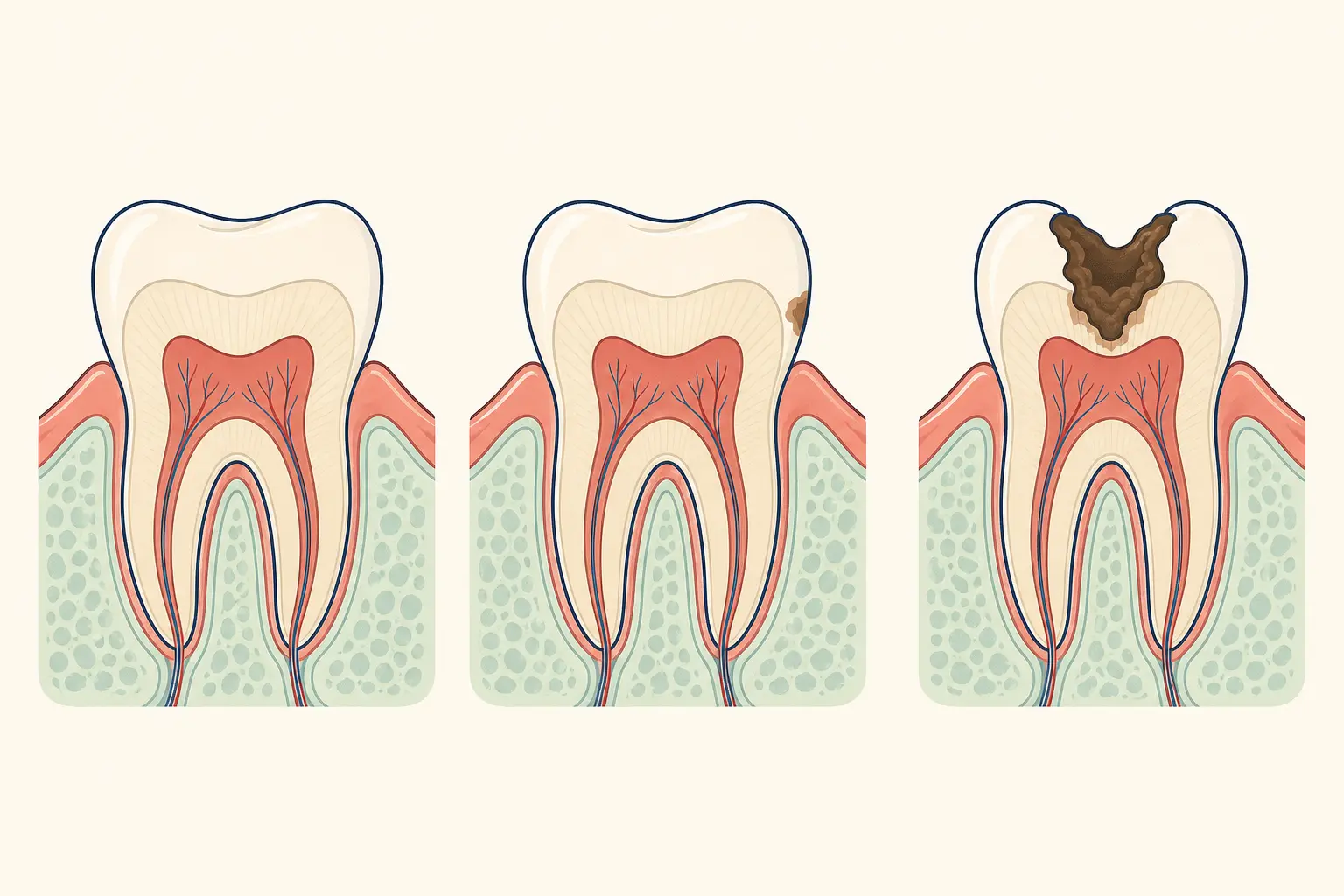
The rear gum includes tissue behind the last molar and the operculum that can partly cover an erupting wisdom tooth. Pain may arise from inflamed gum, a cavity in the last molar, a cracked tooth, food impaction, or a sore on the cheek or gum.
What can you do next?
Rinse gently with warm water, brush the back teeth with a small soft brush, and avoid sharp objects or repeated poking. Note whether the pain is triggered by biting, heat, cold, opening the mouth, or pressure around a wisdom tooth.
When should you seek dental care?
Seek prompt dental care for facial swelling, fever, pus, worsening pain, restricted mouth opening, difficulty swallowing, or a bad taste with a partly erupted tooth. Breathing difficulty requires emergency care.
What should you ask the dentist?
Can you inspect the last molar and wisdom-tooth area?
Frequently asked questions
What is the first practical point to remember?
Pain at the back of the gums can come from plaque, an erupting wisdom tooth, trapped food, an ulcer, trauma, or infection around a tooth.
Why does the back gum hurt when I chew?
Food impaction, an inflamed gum flap, a cracked tooth, or decay can make pressure painful.
Can I cut the gum flap myself?
No. Do not cut it. A dentist must assess the tooth, tissue, and infection risk before choosing treatment.