
Gum is soft and swollen
Soft, swollen gum usually indicates local irritation or inflammation, but eruption, trauma, decay, and infection can also cause it.
The short answer
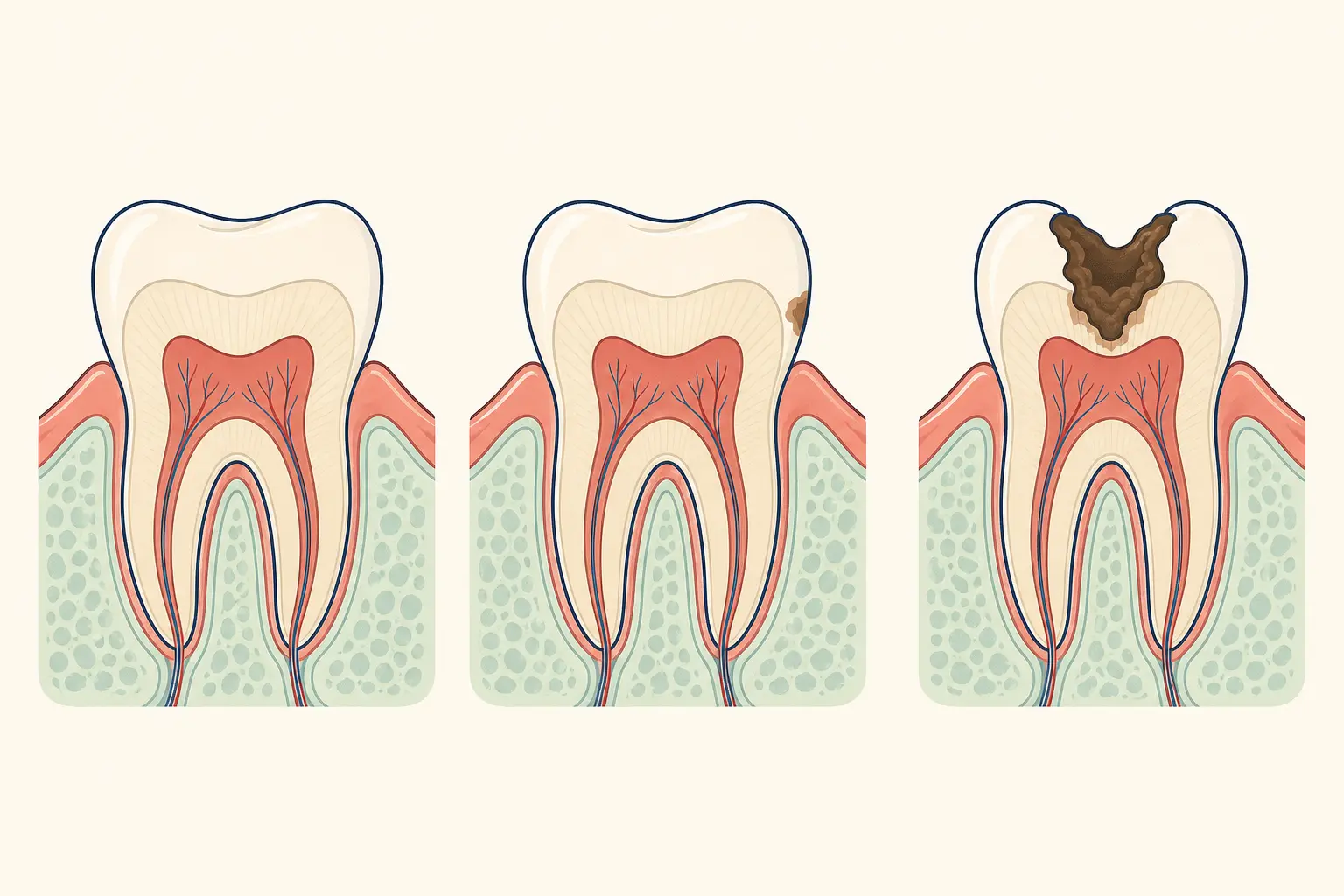
Soft, swollen gum is commonly caused by plaque-related inflammation or local irritation, but food impaction, a new tooth, trauma, decay, or infection can produce the same appearance. The cause is established by examining the gum margin, pocket, tooth, and nearby tissues.
What is the direct answer?
What does this question mean?
Inflamed gingiva contains more fluid and inflammatory cells, which can make it look puffy and feel less firm. A localized swelling may also be a gum abscess or a small area repeatedly rubbed by a sharp tooth edge, appliance, or food particle.
What can you do next?
Clean gently with a soft brush and between the teeth, then avoid pressing or popping the swelling. Keep note of bleeding, bad taste, discharge, tooth pain, fever, and whether the swelling changes after food is removed.
When should you seek dental care?
Book care if the swelling does not settle, bleeds repeatedly, or is accompanied by tooth pain or discharge. Get urgent help for spreading facial swelling, fever, severe pain, or any problem breathing or swallowing.
What should you ask the dentist?
Ask whether the tissue is inflamed, infected, traumatized, or covering an erupting tooth, and whether the tooth needs a filling or other treatment. Ask how to clean the area without injuring the gum.
Frequently asked questions
Can a swollen gum be an abscess?
It can be. A localized gum bump with tenderness, discharge, bad taste, or tooth pain needs dental assessment to locate the infection.
Can brushing make the swelling worse?
Forceful scrubbing can traumatize tissue, but gentle cleaning is important because leaving plaque at the margin sustains inflammation.