
What to do if your gum swells up
A swollen gum can result from trapped plaque, injury, or infection and needs care based on the cause.
The short answer
A swollen gum may result from plaque-related gingivitis, food trapped between teeth, trauma, or an infection around a tooth, so the cause determines treatment. A localized lump beside a tooth is more concerning for a dental infection than generalized mild puffiness.
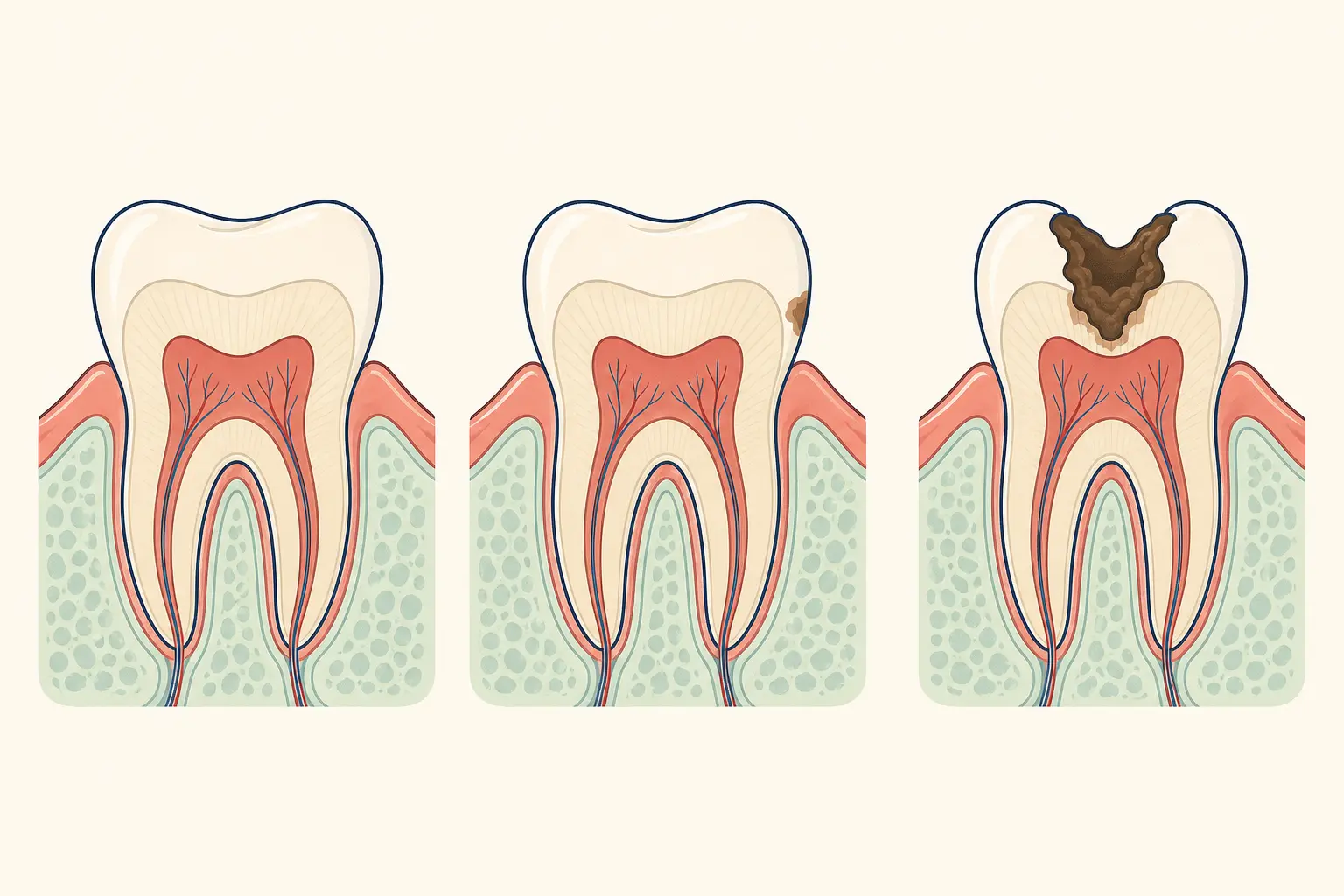
What is the direct answer?
What does this question mean?
The gingiva can enlarge when inflammatory fluid and immune cells collect in the tissue. A dentist examines the gum, tooth surface, periodontal pocket, and tooth pulp, and may take an X-ray to distinguish gum inflammation from an abscess.
What can you do next?
Brush gently and clean between the teeth to remove plaque or trapped food, using warm salt water only if it does not irritate the tissue. Do not squeeze a lump, cut the gum, or place aspirin directly on it.
When should you seek dental care?
Arrange dental care promptly for a painful swelling, pus, fever, bad taste, facial swelling, or a tooth that hurts when biting. Get emergency help if swelling makes breathing, swallowing, or opening the mouth difficult.
What should you ask the dentist?
Ask whether the swelling is gingivitis, a periodontal pocket, a blocked salivary opening, or a tooth abscess. Ask whether you need a professional cleaning, drainage, a filling, root canal treatment, extraction, or another procedure.
Frequently asked questions
Can a swollen gum heal by itself?
Mild irritation may settle when the cause is removed, but a persistent or painful swelling needs examination.
Can I pop a gum abscess?
No; squeezing it can injure tissue and does not remove the infected source.