
My gum is swollen after flossing
Gum swelling after flossing can result from mechanical irritation, trapped debris, or inflammation that was already present between the teeth.
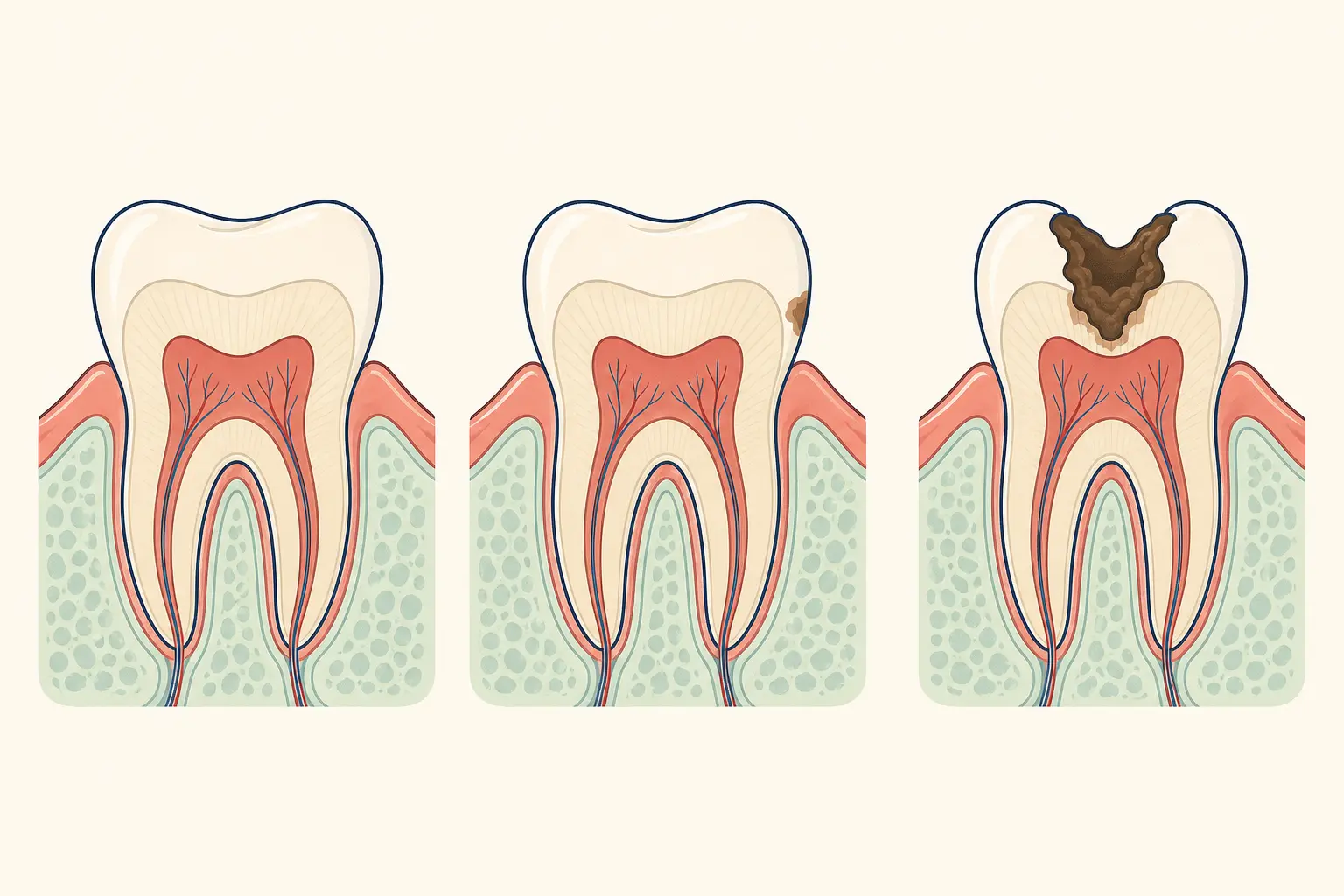
What is the direct answer?
Gum swelling after flossing can result from mechanical irritation, trapped debris, or inflammation that was already present between the teeth.
What does this question mean?
Snapping floss through the contact can cut the interdental papilla, while plaque in the same space can make inflamed gum bleed and swell. A single tender spot suggests local irritation, but repeated bleeding needs an examination.
What can you do next?
Use clean floss with a gentle C-shaped motion against each tooth, and do not force it into the gum. A soft toothbrush and warm water can keep the area clean while it settles; do not stop cleaning every day.
When should you seek dental care?
Arrange dental care if swelling persists, recurs in the same space, or comes with pus, bad taste, tooth pain, or fever. Rapid facial swelling or difficulty swallowing requires urgent help.
What should you ask the dentist?
Ask the dentist to check the contact point, filling edge, gum pocket, and tooth root. Ask whether floss, an interdental brush, or another size is best for that space.
Frequently asked questions
Can this be diagnosed from the symptom alone?
No. Location, examination findings, and sometimes imaging are needed to identify the cause.
What should I avoid doing?
Avoid squeezing, scraping, or placing concentrated substances on oral tissue, and seek assessment when symptoms persist or worsen.